FREE. FAIR. GLOBAL.
After the Speeches: What UNGA Must Leave Behind
As the General Debate reaches its scheduled final day, the test of international cooperation moves from the podium to the decisions that follow.
Austin Mitchell Wallace
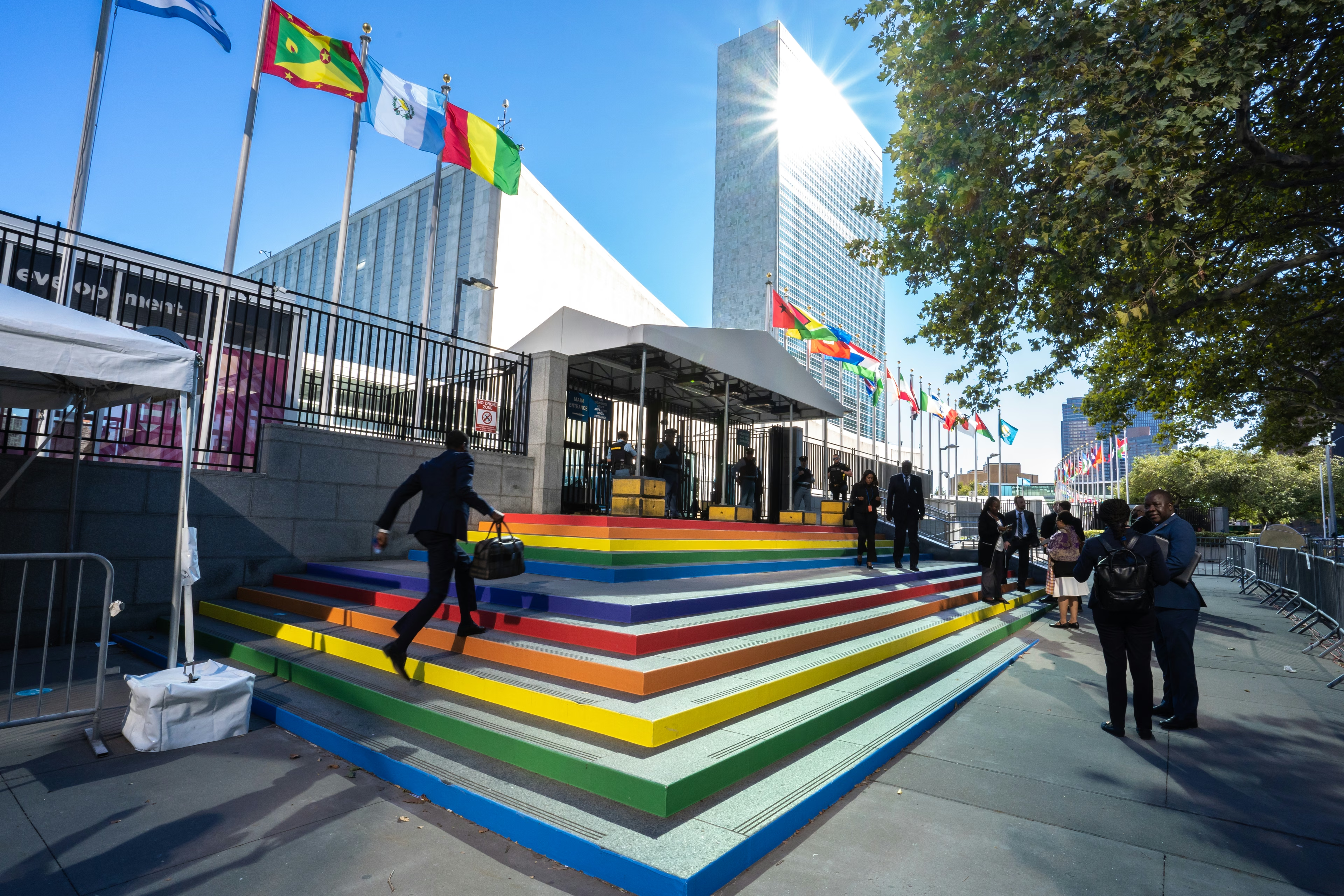

As the General Debate reaches its scheduled final day, the test of international cooperation moves from the podium to the decisions that follow.
Every September, the world returns to the same room and confronts an uncomfortable question. Can the governments that disagree about almost everything still build enough common ground to keep the future open?
The United Nations General Assembly makes that question visible. A small island state and a nuclear power address the same hall. Governments describe the world as they see it, and often as they would prefer everyone else to see it. For a moment, international politics acquires a single stage.
Then comes the harder part. What follows the speech?
As of 28 September, the 2026 General Debate has reached its scheduled final day. The Assembly itself is only beginning its work: its 81st session runs from 8 September 2026 to 7 September 2027. Calling this the end of UNGA obscures the months in which budgets, negotiations and implementation will determine what the September attention was worth. The UN’s session calendar makes that distinction clear.
This is the moment to decide what we should be watching next.
The Distance Between a Promise and a Life
This year’s theme, “Restoring trust, managing transformation: A United Nations that delivers for all”, places delivery at the centre of the conversation. It is a demanding word. Delivery requires something to arrive.
A family living with the threat of displacement cannot spend a declaration. A nurse cannot staff a clinic with a pledge. A community watching the sea approach its homes needs decisions about protection, finance and its future. The language of international cooperation has to reach those lives before it can reasonably ask for their trust.
The published September programme put climate action, sea-level rise, development and pandemic preparedness alongside the General Debate. Those priorities are documented in the official meeting schedule. The schedule establishes what governments intended to address; it cannot establish what their meetings achieved.
That distinction should guide the coverage that follows. We should ask which proposals became decisions, which decisions have funding, and which promises still depend on another round of negotiations.
There is a difference between acknowledging a problem and accepting a share of the cost of solving it. International politics becomes serious at that second point.
A Room That Still Matters
The temptation is to dismiss the whole exercise. Another September. Another statement of concern. Another photograph of leaders who will disagree again tomorrow.
But consider what the Assembly provides. All 193 UN member states belong to a forum in which each has one vote. That does not erase the inequalities of wealth, military power or diplomatic influence outside the chamber. It does create a place where governments that cannot command the world's attention by force can formally demand it. The UN describes that representative role here.
We should value that space while being precise about its powers. Under the UN Charter, the Assembly discusses international questions and makes recommendations, while also exercising specific responsibilities such as approving the UN budget. A speech from its podium does not become an enforceable global instruction.
This matters because an institution can be weakened by impossible expectations as well as by neglect. The UN is made up of governments with competing interests. Its limitations often reflect choices those governments make.
Accountability should reach the capitals, too. A leader who calls for international action in New York should have to explain the funding, legislation and diplomacy their own government will contribute once the delegation returns home.
The Future Already Has Paperwork
We do not begin each September with an empty page.
In September 2024, governments adopted the Pact for the Future, with the Global Digital Compact and the Declaration on Future Generations. It set out commitments across development, peace and security, technology and the reform of global governance. Those are existing commitments, available to be examined against subsequent choices.
Two years later, the useful question is how those ambitions are being translated into institutions, resources and public accountability. Naming the future was the beginning. Making room for people who will inherit it requires changes to how decisions are taken now.
For smaller states, meaningful participation must include the ability to influence the terms of cooperation. For young people, consultation should lead somewhere identifiable. For civil society, access should extend beyond the opportunity to appear on a panel.
These are standards by which to judge implementation, rather than claims that every process has failed them. Progress needs to be visible enough to assess. Where it exists, it deserves recognition. Where it stalls, the reasons should be explained plainly.
Otherwise, the public is left with a familiar experience: an expanding vocabulary of ambition and an uncertain account of who is responsible.
What We Should Ask Before Next September
I would judge the months ahead through three straightforward questions.
Who is responsible for each major commitment? A promise shared by everyone can become a responsibility accepted by nobody. Governments and institutions should identify the office, minister or body expected to carry it forward.
What resources will reach the work? Announced sums need to be distinguished from money approved, committed and actually disbursed. The same discipline should apply to staffing and technical support. Capacity is part of credibility.
How will the people affected know whether anything improved? Progress reports should explain outcomes in language that people outside diplomatic circles can understand. They should also acknowledge delays and reversals. Trust needs an honest account of difficulty.
No single week in New York can resolve the contradictions of international politics. It can establish priorities, create openings and make evasion harder by placing promises on the record.
The responsibility that follows belongs to governments, international institutions and those of us who report on their work. We have to keep looking after the most visible part of the gathering has passed.
The next September will arrive. Before it does, people should be able to point to something that changed because their governments agreed to act together.
That is what would make the speeches worth remembering.