FREE. FAIR. GLOBAL.
The Future of AI Companies in a Skeptical World
Public skepticism and far-right use of AI can exist at the same time. The companies building it will have to answer for both.
Austin Mitchell Wallace

Public skepticism and far-right use of AI can exist at the same time. The companies building it will have to answer for both.
There is a peculiar tension at the heart of the artificial intelligence age. A person can use an AI tool to finish an assignment, translate a document or solve a problem, and still feel deeply uneasy about the future its owners are building.
That tension deserves to be taken seriously. Using a product is not the same as endorsing the economic system around it. Convenience does not settle questions about work, political power or who gets to decide what counts as truth.
For AI companies, the next challenge is therefore larger than producing a more impressive demonstration. They need public permission to become part of the infrastructure of everyday life. That permission will be contested by ordinary skeptics, democratic institutions and political movements that may find the technology useful even while attacking the people who build it.
Skepticism has reasons
The public is hardly speaking with one voice. In a Pew Research Center survey conducted in June 2026, 52 percent of American adults said AI's growing use left them more concerned than excited. Among adults under 30, the figure was 55 percent. Those are findings about the United States, not a verdict from the entire world.
Pew's September 2026 international analysis found a more complicated picture: in many surveyed countries, young adults were especially likely to feel both concern and excitement. Familiarity and uncertainty can grow together.
There are practical reasons for that uncertainty. A worker wants to know whether a productivity tool will improve their job or become the justification for removing it. An artist wants a meaningful say over the use of their work. A parent wants to know who is accountable when a system confidently gets something wrong.
The International Labour Organization's 2025 assessment placed one in four workers globally in occupations with some exposure to generative AI. Exposure is not a forecast of unemployment; the ILO stresses that transformation is more likely than wholesale replacement. But transformation still involves choices about wages, staffing and control. Companies cannot answer those questions with a benchmark score.
The far right can use what it distrusts
The relationship between AI and the far right is more complicated than a simple rejection of technology. A movement can denounce elite institutions while embracing tools that help it reach an audience, generate an image or reinforce a political identity.
A February 2025 investigation by the Institute for Strategic Dialogue documented generative AI use by German far-right actors, including accounts affiliated with Alternative für Deutschland. Researchers found synthetic images, videos and music promoting established narratives, including hostility toward migrants and minorities.
That research documents production and circulation. It does not establish that AI determined an election result. The distinction matters. The political significance is that persuasive-looking material can be produced cheaply, repeatedly and without an event ever having occurred in front of a camera.
Ordinary concern about AI should not be confused with extremism. Treating every critic as an enemy of progress would leave companies unable to hear legitimate objections. Equally, describing all use as neutral would ignore the purposes to which these tools can be put.
The same company may face demands to prevent impersonation and extremist abuse, accusations that its safeguards suppress political views, and pressure to increase usage. These are conflicts about responsibility, not problems that disappear when a model becomes more capable.
When government becomes the customer
Political pressure also arrives through contracts. In July 2025, the Trump administration issued an executive order on federal procurement of large language models requiring principles it described as truth-seeking and ideological neutrality, while explicitly opposing what it called DEI-based distortion.
The order concerned federal purchasing, rather than a general ban on privately available models. Its importance for this discussion is the precedent: a government customer can make its definition of acceptable model behavior part of the commercial relationship.
Accuracy is a legitimate procurement requirement. The harder question is how to distinguish a testable demand for reliability from a demand that a system adopt the political assumptions of whoever holds office.
My concern is that companies could learn to treat this as a relationship-management exercise, adjusting their public commitments to secure access and contracts. A firm that asks the world to trust its answers needs a more durable account of its standards than the preferences of its most powerful customer.
The argument will reach the electricity bill
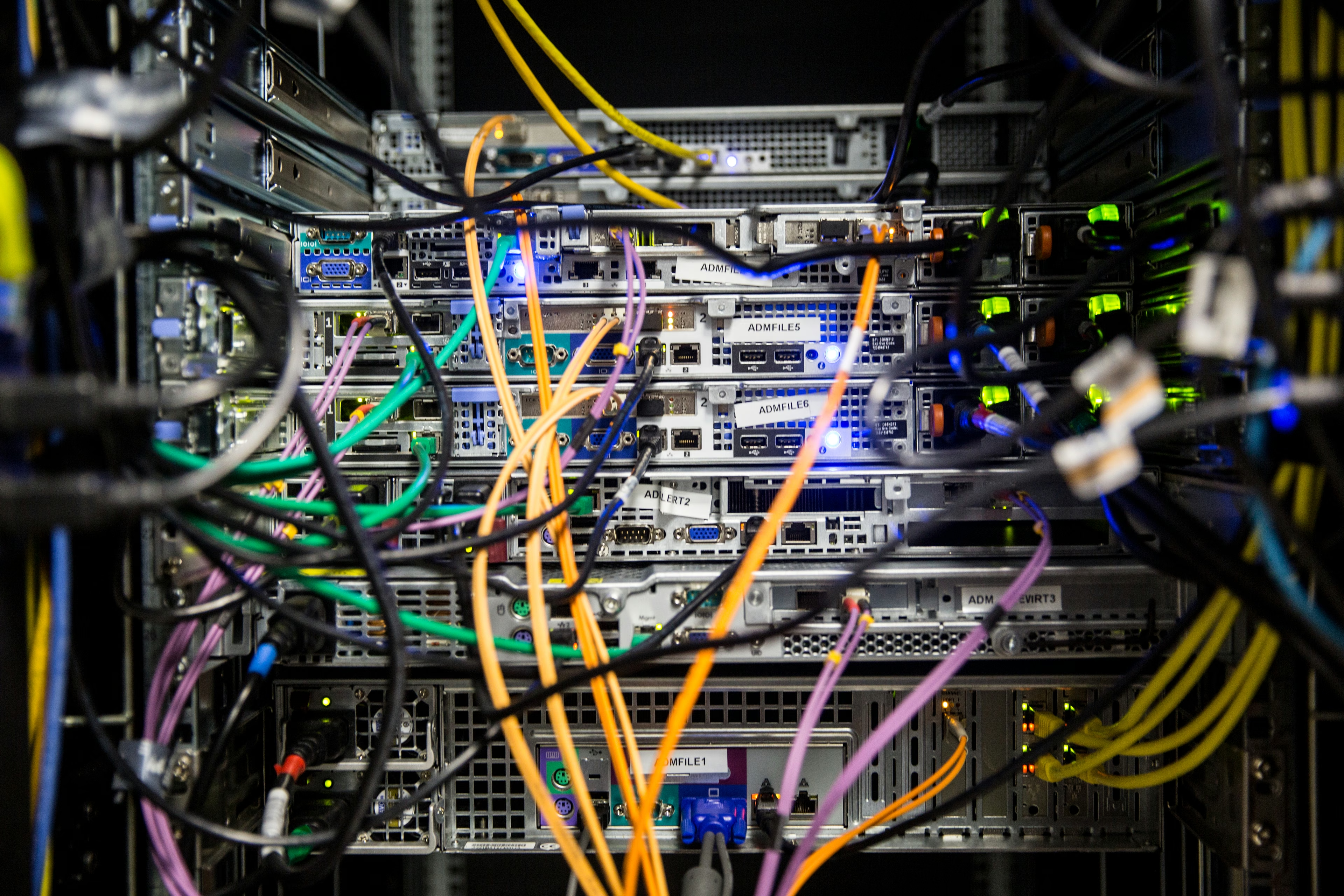
AI's future is also physical. Data centres need land, electricity and connections to networks that serve everyone else.
The International Energy Agency reported in April 2026 that global data-centre electricity demand grew by 17 percent in 2025, with consumption at AI-focused facilities rising faster. It also identified growing public concern about affordability and environmental effects.
The agency cautions against assuming that data centres inevitably raise electricity prices. Outcomes depend on the electricity system, investment and policy choices. That makes the distribution of costs a political decision, not an unavoidable consequence of innovation.
Communities should be able to see who pays for new infrastructure and what benefits remain locally. A company promising collective prosperity will face an obvious credibility problem if the public experiences the project chiefly as an added burden.
What a credible future requires
The industry has a choice about how it responds. It can treat skepticism as an obstacle to be advertised away, or as information about the terms on which people might accept change.
A credible response would make product limitations clear, allow independent scrutiny, give workers a voice in deployment and explain how mistakes can be challenged. It would distinguish genuine political disagreement from fraud, fabricated evidence and threats. It would make commitments that remain intelligible when governments change.
These choices also shape the business. A firm relying heavily on government contracts risks exposure to changing political demands. One selling to hospitals or employers should expect to explain audit trails and accountability. Preventing abuse costs money; so does losing a customer's confidence. Companies planning data centres need workable agreements with the communities and utilities that make expansion possible. My expectation is that these less spectacular capabilities will increasingly determine which businesses endure.
The future of AI companies will depend partly on what their systems can do. It will also depend on whether the people living with the consequences have any meaningful power over the answer.
Sources
- Pew Research Center: American attitudes toward AI, August 2026
- Pew Research Center: young adults around the world and AI, September 2026
- ILO: AI exposure and the future of jobs
- ISD: generative AI and the German far right, February 2025
- White House: Executive Order 14319, July 2025
- IEA: Key Questions on Energy and AI, April 2026