FREE. FAIR. GLOBAL.
The Next Pandemic and the Politics of Forgetting
The next major disease threat cannot be named with confidence. The choices that will shape our response are already in front of us: who shares information, who receives protection, and whether governments keep investing when the emergency fades.
Austin Mitchell Wallace
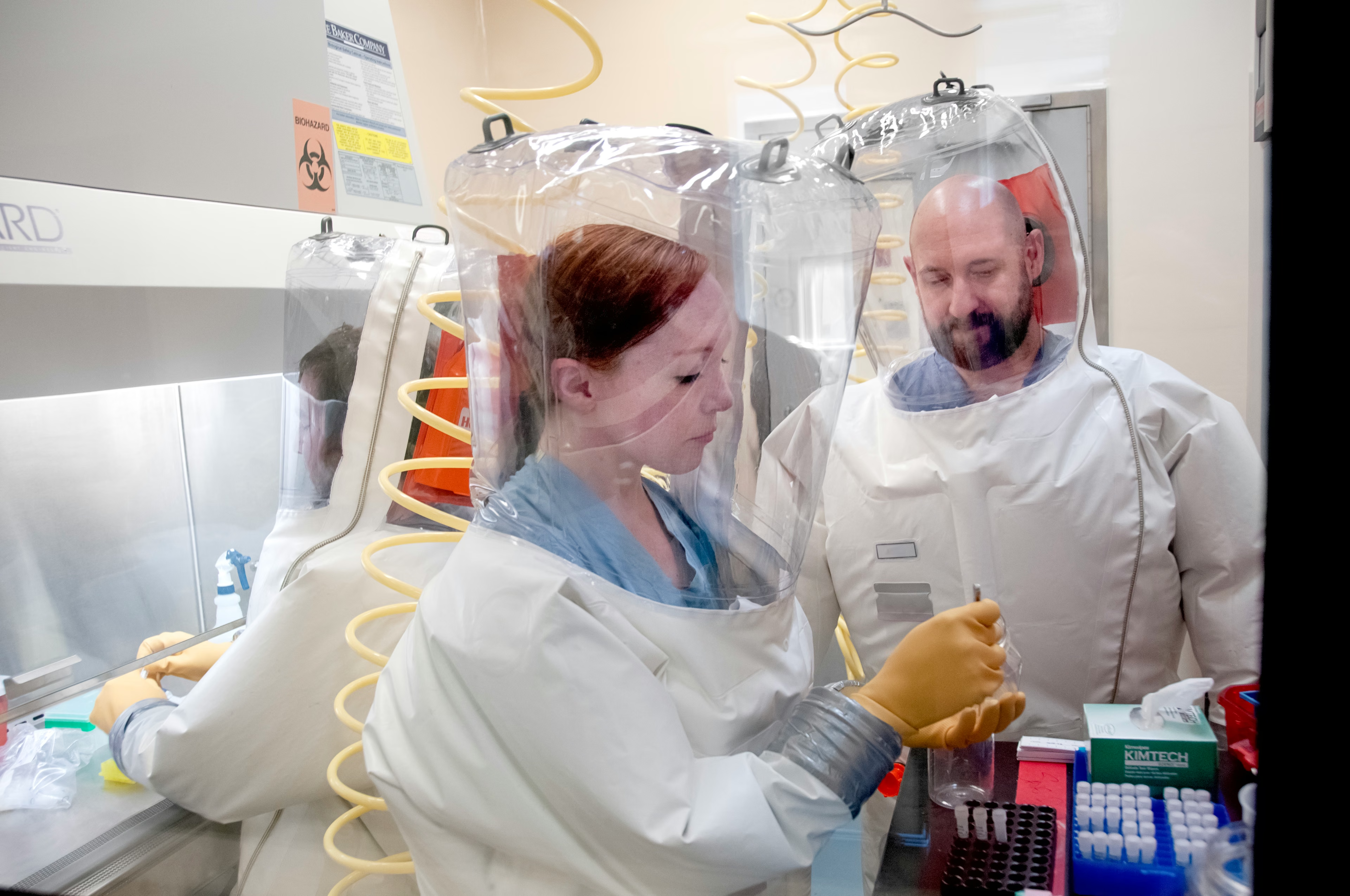

The next major disease threat cannot be named with confidence. The choices that will shape our response are already in front of us: who shares information, who receives protection, and whether governments keep investing when the emergency fades.
In 2020, ordinary life became extraordinary almost overnight. Kitchen tables became offices. Hospital corridors became the centre of national attention. The world learned a new vocabulary, and millions of families learned the cost of arriving unprepared.
Six years later, the future of pandemic preparedness rests on a difficult political question. Can governments sustain a public good whose greatest success is something that never happens?
On 25 September, leaders meeting at the United Nations renewed their commitments to pandemic prevention, preparedness and response. The WHO's account of the meeting describes progress alongside unfinished business. That combination deserves attention. Promises have been made. The next task is to make them dependable.
The disease we cannot yet name
The phrase “Disease X” sounds like a film waiting to happen. Its meaning is more practical. WHO uses it to recognise that a serious international epidemic could come from a pathogen not currently known to cause human disease. It is a planning concept for uncertainty. It does not identify a discovered disease or predict an outbreak date.
There are known threats worth watching. Avian influenza remains one. In its assessment dated 6 September 2026, covering 8 August to 6 September, WHO judged the overall global public health risk from A(H5N1) low. It reported no sustained human-to-human transmission associated with the recently reported infections, while warning that influenza viruses can evolve. Those findings have dates and conditions. They should never become a permanent assurance, or be inflated into a prediction of imminent catastrophe.
WHO's 2024 research prioritisation exercise examined 1,652 pathogens across 28 viral families and one core bacterial group. Its broader family approach offers a sensible direction: build knowledge that can help against related threats, including those that surprise us.
We can prepare without pretending to know the name on the next hospital admission chart.
The agreement still needs its machinery
The World Health Assembly adopted the WHO Pandemic Agreement on 20 May 2025. That was a real diplomatic achievement. It was also one stage in a longer process.
As WHO reported on 25 September 2026, countries were still negotiating the Pathogen Access and Benefit-Sharing annex, known as PABS. Its purpose is to connect the sharing of pathogen materials and sequence information with fair access to the vaccines, treatments and tests developed from them.
The practical question is straightforward. When one country contributes information that helps the world understand a threat, can its people rely on receiving the resulting protection?
Until that bargain becomes credible, solidarity will remain vulnerable to procurement budgets and political pressure. An emergency is a poor moment to begin deciding whose needs count.
The WHO's explanation of the agreement makes the legal sequence clear. The annex must be adopted before countries can sign and ratify the full agreement; entry into force requires 60 ratifications and a further 30 days. Adoption in 2025 therefore should not be confused with an operational treaty already protecting everyone.
The next phase will be judged through implementation: reliable access, workable contracts, manufacturing capacity and institutions capable of delivering what diplomats have negotiated.
Preparedness has to work on an ordinary Tuesday
Pandemic policy can become trapped in the language of extraordinary events. Its foundations belong in ordinary public services.
A clinic needs staff who can recognise something unusual. A laboratory needs functioning equipment and a dependable route for reporting results. Public health agencies need authority, money and relationships that survive changes of government.
The WHO's March 2026 framework for national public health agencies sets out 12 core capabilities, including legal authority, evidence for policy and secure, flexible financing. This is the less glamorous work that turns an international commitment into national capacity.
My view is that preparedness budgets should be designed around continuity. Governments should fund the workforce between outbreaks, maintain supplies, exercise their plans and publish the gaps those exercises reveal. Support should also reach the people expected to follow emergency guidance. A worker facing lost wages or a family facing unaffordable care experiences public health through those practical constraints.
Prevention also demands cooperation across human, animal and environmental health. The One Health approach gives that relationship a name. It should give ministries a shared set of responsibilities, too.
Trust is part of the infrastructure
Science can move faster than public confidence. That gap deserves serious political attention.
A 2022 study in The Lancet00172-6), examining 177 countries, associated greater government and interpersonal trust with lower standardised COVID-19 infection rates. Those associations do not establish simple causation, but they strengthen the case for treating trust as part of preparedness.
Governments should explain what they know, what remains uncertain and why guidance changes. They should acknowledge mistakes early. Communities should have a role in shaping responses before ministers need their cooperation.
Public scrutiny belongs in that process. Questions about spending, proportionality, pharmaceutical contracts and civil liberties deserve clear answers. Institutions become more credible when they demonstrate that criticism can improve decisions.
The future we choose to fund
There is reason for hope in the science, the negotiations and the people doing this work. There is also a test that no summit can complete on its own.
The future of pandemic preparedness will depend on decisions made during quieter months: whether a laboratory keeps its staff, whether a country shares an early warning, whether access agreements survive a rush for supplies, and whether the public believes the explanation it receives.
The next major disease threat may surprise us. Our response will reflect the choices we have already made.
Sources
- WHO: UN pandemic meeting and outstanding PABS negotiations, 25 September 2026
- WHO: Pandemic Agreement adoption and entry into force
- WHO: Disease X and research priorities
- 2024 pathogen framework
- influenza risk assessment, 6 September 2026
- WHO: National public health agency capabilities, March 2026
- COVID-19 National Preparedness Collaborators: Pandemic preparedness and COVID-19, The Lancet, 2022