FREE. FAIR. GLOBAL.
Reparations, migrant dignity and AI risks at the UN Human Rights Council
Delegations called for reparatory justice, migration policies grounded in human dignity, and safeguards against discrimination linked to artificial intelligence.
Katherine Knisely
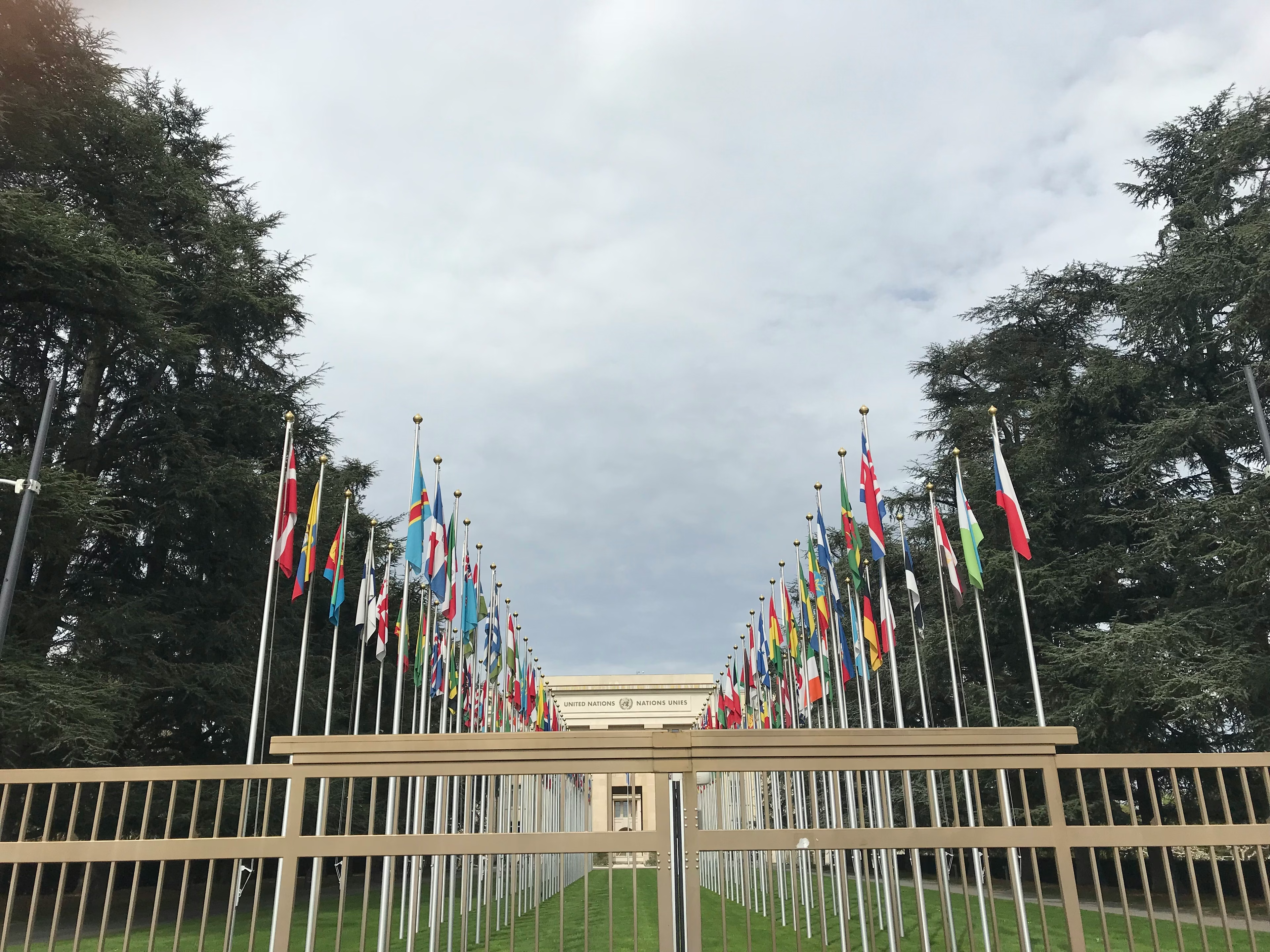

Based on reporting by Katherine Knisely on the Human Rights Council’s September 30 meeting in Geneva.
Delegations at the UN Human Rights Council’s 34th meeting of its 63rd session on September 30, 2026, called for concrete reparatory justice, migration policies grounded in human dignity, and safeguards against discrimination linked to artificial intelligence. The discussions in Geneva took place under agenda item 9, concerning racism, racial discrimination, xenophobia and related intolerance.
Reparations and cultural restitution
Jamaica, speaking on behalf of CARICOM, emphasized the return of cultural artifacts and restoration of cultural identity as elements of reparatory justice. Ghana called for concrete action addressing the continuing consequences of enslavement and colonialism, including mechanisms for restitution of African cultural heritage. South Africa also supported comprehensive reparatory justice.
Human dignity in migration policy
On migration, Lebanon urged states to resist approaching human mobility solely through security and control. South Africa and Ghana linked contemporary discriminatory migration practices to the legacies of enslavement and colonialism, while Uruguay called for migration and border policies that respect human rights and prevent racial profiling.
Discrimination and artificial intelligence
Digital discrimination was another concern. Uruguay sought safeguards against bias in AI and digital technologies. The Working Group of Experts on People of African Descent warned that facial recognition and profiling can reinforce existing racial bias and urged transparency and independent oversight.
Czechia, speaking for a group of countries, warned that AI could spread antisemitic content and amplify hateful narratives. Pakistan, speaking for the Organization of Islamic Cooperation, raised concerns about algorithmic bias and technology-driven hatred alongside Islamophobia. Delegations called for safeguards, human oversight and accountability.
This update draws on Katherine Knisely’s submitted findings and the UN Web TV meeting coverage. Paraphrases were checked against the UN-hosted automated transcript, which is not an official meeting record.