FREE. FAIR. GLOBAL.
Torture-prevention elections put the UN’s funding squeeze in focus
Thirteen experts were elected to the UN’s torture-prevention body as officials warned that funding shortages were restricting its detention-visit programme.
GLOBAL. UN Desk, with reporting by Katherine Knisely
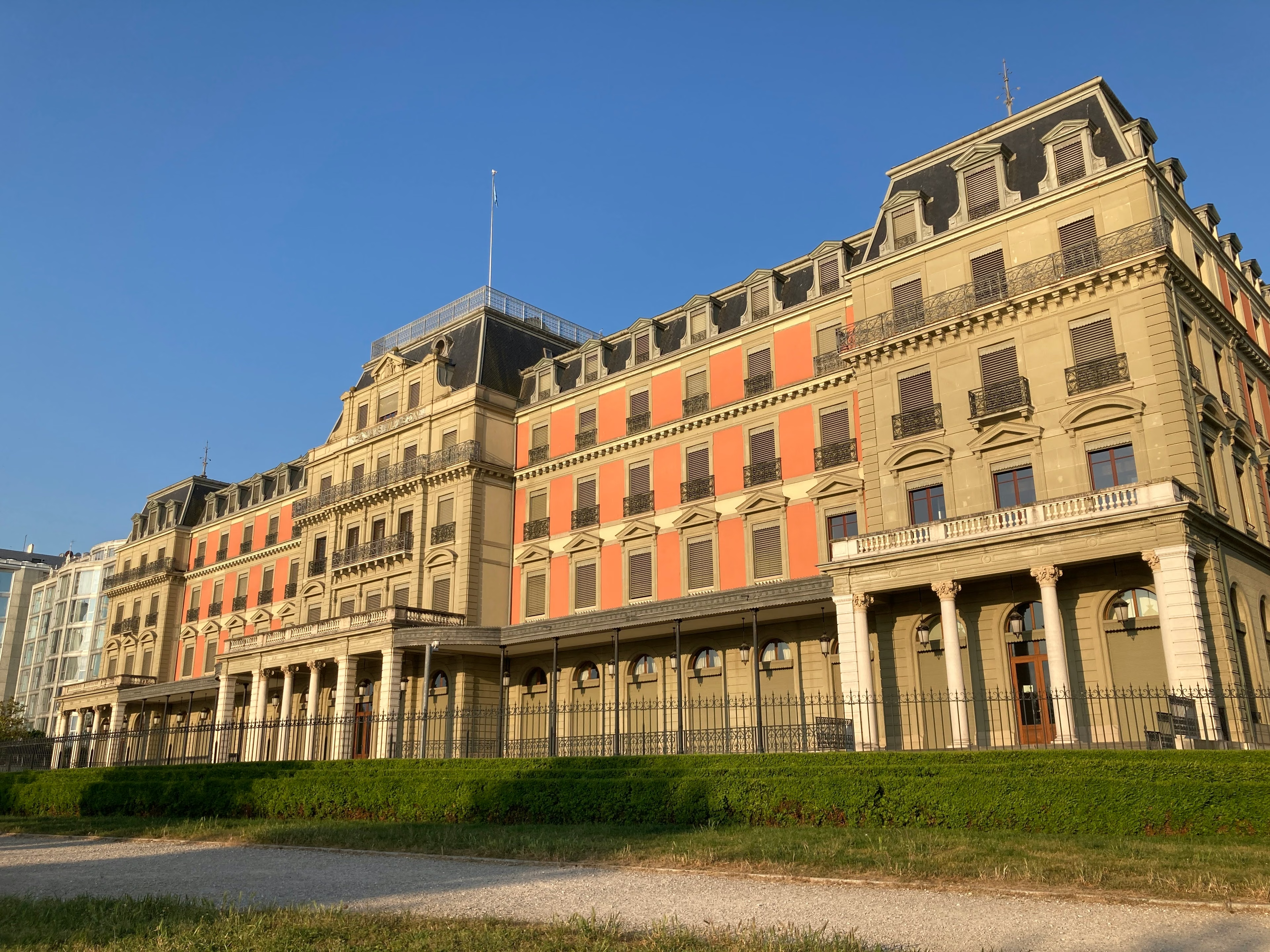

Thirteen experts were elected to the UN’s torture-prevention body as officials warned that funding shortages were restricting its detention-visit programme.
GENEVA — States parties to the Optional Protocol to the Convention against Torture elected thirteen members of the Subcommittee on Prevention of Torture on October 1. The election renewed part of an independent expert body whose work is being constrained by the United Nations’ funding difficulties.
The elected members will begin four-year terms on January 1, 2027, replacing members whose terms expire on December 31, 2026, according to the Office of the UN High Commissioner for Human Rights.
Funding pressure on preventive visits
At the opening of the meeting, officials said the Optional Protocol had 96 States parties. They warned that the UN liquidity crisis and the release of funds in tranches were complicating the planning of visits and had reduced the subcommittee’s visit programme in 2025 and 2026.
The opening statement identified three countries visited in 2026: Mexico, France and Sri Lanka. Visits to Paraguay and Ghana were planned before the end of the year. The statement described a five-country programme comprising completed and planned visits.
Independent oversight
The subcommittee’s experts serve in their individual capacities and must be independent and impartial. Their work includes visits to places where people are deprived of their liberty and support for national preventive mechanisms, which provide independent oversight within States parties.
Officials told the meeting that 80 of the 96 States parties had established these mechanisms. The subcommittee also conducts follow-up visits to assess the implementation of its recommendations and provides advice to national bodies.
The thirteen elected members
- Charles Ameyaw — Ghana
- Olga Patricia Arias Barriga — Chile
- Vasiliki Artinopoulou — Greece
- Sanaa Hamzeh — Lebanon
- Krisztina Lukács — Hungary
- Komlan Agbélénkon Narteh-Messan — Togo
- Luis Ernesto Pedernera Reyna — Uruguay
- Zdenka Perović — Montenegro
- Susana Silva Hasembank — Peru
- Elīna Šteinerte — Latvia
- Anton Symkovych — Ukraine
- Anica Tomšić — Croatia
- Victor Zaharia — Republic of Moldova
The election took place at the Palais des Nations in Geneva. The official results are published by the Office of the UN High Commissioner for Human Rights.