FREE. FAIR. GLOBAL.
Trust must be built into digital finance, summit speakers say
At a New York summit, speakers called for independently verifiable trust, adaptive regulation and stronger safeguards for AI and blockchain in finance.
Felizitas von Sanden
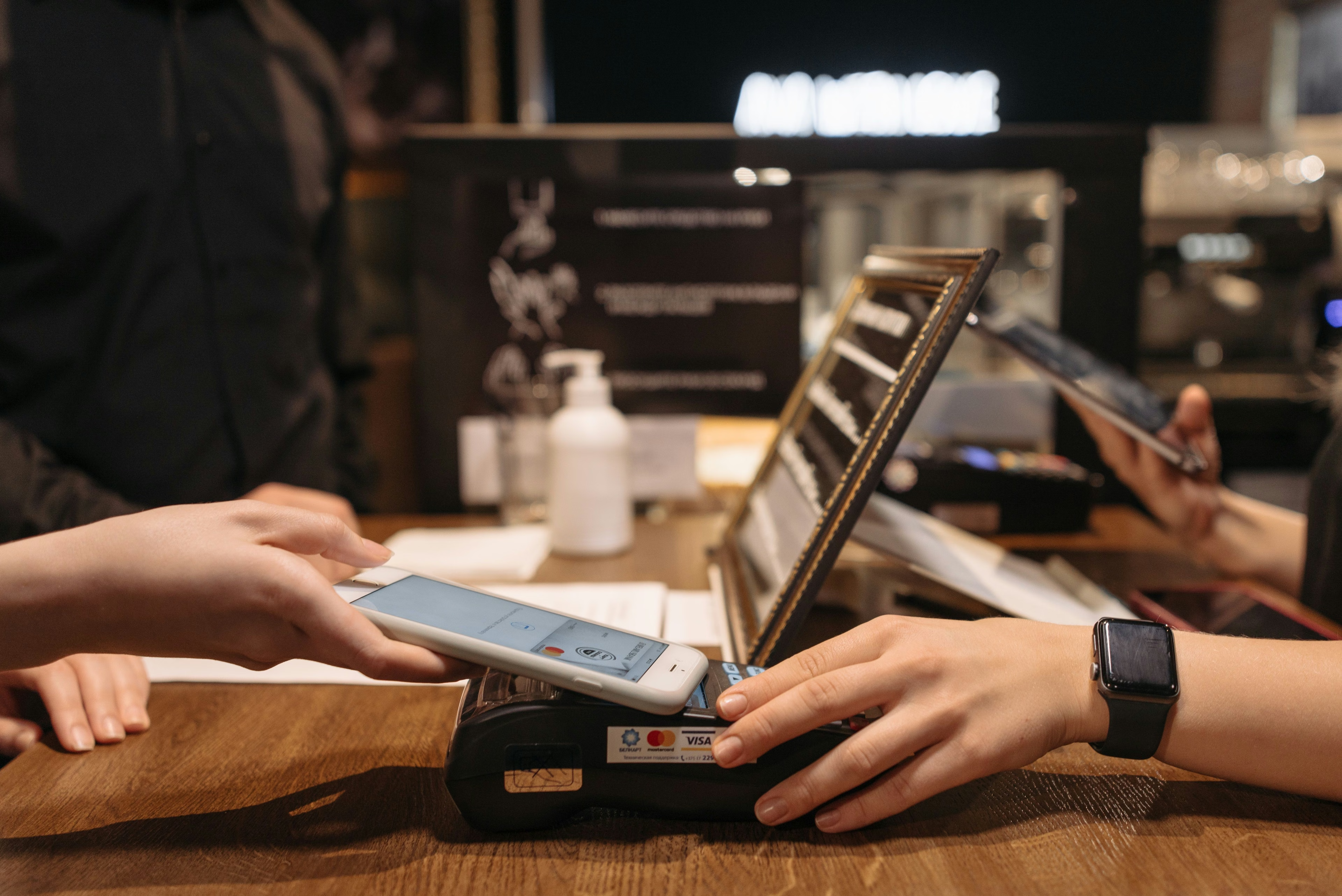
At a New York summit, speakers called for independently verifiable trust, adaptive regulation and stronger safeguards for AI and blockchain in finance.
NEW YORK — Artificial intelligence, blockchain and quantum computing are reshaping, or could reshape, financial services. At the Future of Money, Governance & the Law Summit on October 2, speakers warned that these technologies will not reach their potential unless the public can trust them — and that trust must be built into systems and independently verified.
“No matter which technology we have mentioned today, the common denominator is always trust,” said Dino Cataldo Dell’Accio, Deputy Chief Executive of Pension Administration at the UN Joint Staff Pension Fund, during the summit’s closing panel. He said the industry has yet to understand what it takes for the public to feel comfortable using new technologies and products. Fear and skepticism persist; trust between people remains fundamental and must be formalised into something that can be independently checked.
Assessing blockchain and digital assets
The closing panel’s discussion centred on the Blockchain Maturity Model (BMM), a Government Blockchain Association framework for assessing how blockchains are implemented. Chris Smithmyer, CEO and co-founder of Black Wallet Limited, whose KIROS Token has received a Level 3 BMM assessment, said new blockchain projects need additional assurance through the BMM’s Token Supplement. He argued that firms should be able to demonstrate that they understand their systems and that their code does what they say it does.
People trust a fridge without understanding how it works, Smithmyer said, and digital finance needs the same confidence. Gerard Dache, founder and executive director of the Government Blockchain Association, spoke about “asking the dumb questions”, highlighting the need to challenge assumptions and strengthen assurance as the technology evolves.
Keeping humans at the helm
Earlier, a panel on governing emerging technology asked whether regulators can keep pace. Panelists urged a shift from static rulebooks to adaptive regulation tested in sandboxes and refined through cycles of learning.
They warned that human oversight of AI risks becoming unreliable and insufficient, calling for “humans at the helm, not just in the loop.” AI agents, the panelists said, should have identifiable owners, minimal privileges, real-time monitoring, audit trails and the ability to be revoked before harm occurs. They argued that regulators are moving too slowly and learning too little: as machines become more capable, the institutions governing them need to advance as well.
Prediction markets and trusted signals
A second panel, led by a sports business professor, examined prediction markets, which turn crowd beliefs into live forecasting signals. She argued that crowds are never just noise: they often sense a shift in momentum before formal models catch up. Prediction markets turn that instinct into a live signal, revealing where consensus is forming.
She proposed that users compete on accuracy without risking their own money, rather than being required to wager funds — a requirement she said can shut people out and distort results.
Blockchain was discussed as a way to make prediction-market signals more trustworthy through verifiable timestamps and transparent systems. But questions remained about building safer architecture. That raised the question: “Who will build the rails?”
A next step proposed at the summit was to turn trust into regulatory practice by working with state and national regulators on frameworks such as the BMM and on formal code verification.