FREE. FAIR. GLOBAL.
Global South Calls for Financial Reform as SDG Financing Pressures Mount
Developing countries pressed for fairer access to finance and stronger implementation of development commitments during the UN Second Committee’s general debate.
Felizitas von Sanden
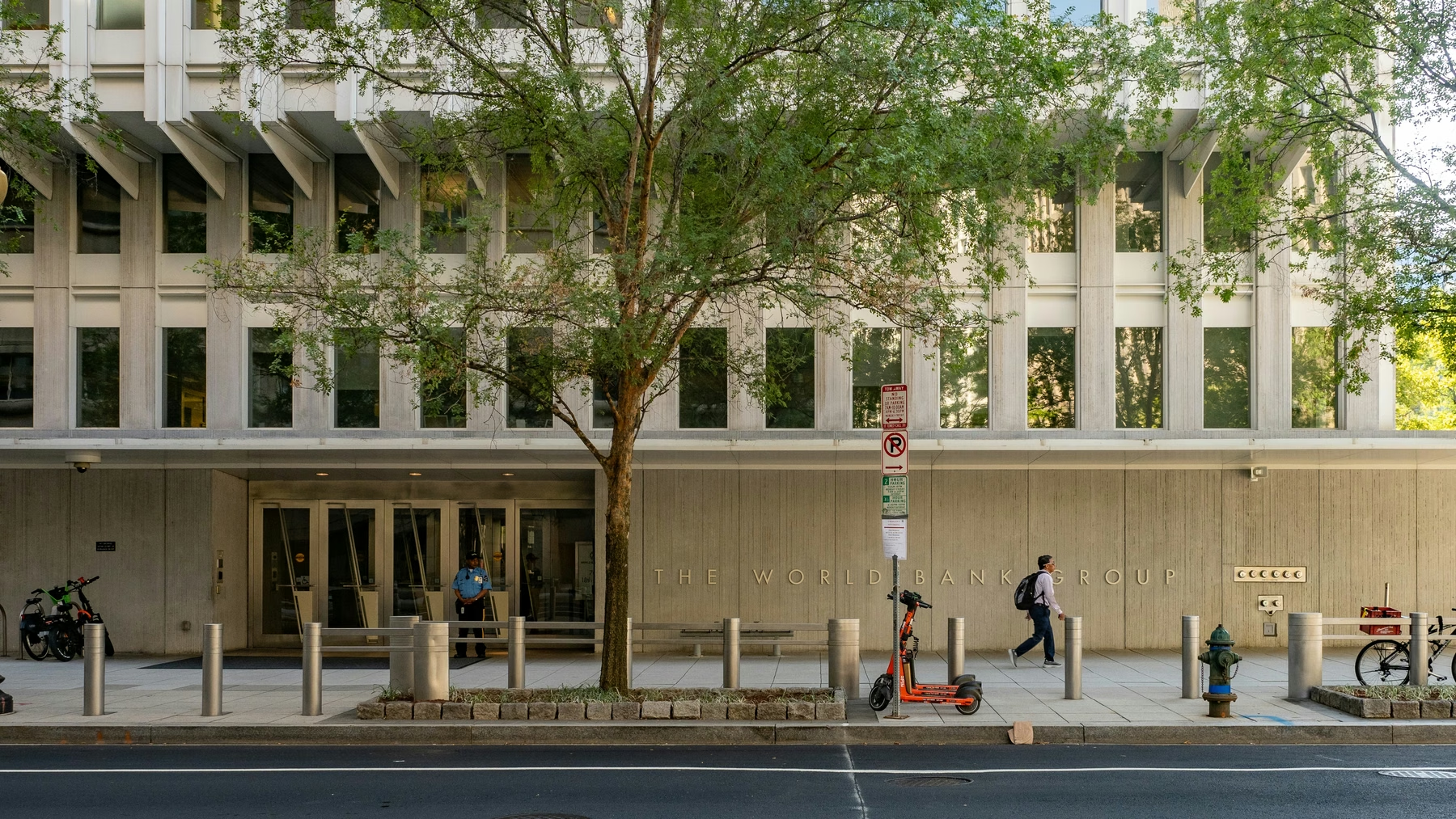

Developing countries pressed for fairer access to finance and stronger implementation of development commitments during the UN Second Committee’s general debate, as debt pressures and declining aid threaten progress towards the 2030 Agenda.
Developing nations and regional blocs called for structural reforms to the global financial system during the Second Committee’s general debate on October 5, warning that financing gaps and shrinking fiscal space threaten to derail the 2030 Agenda for Sustainable Development.
UN Under-Secretary-General for Economic and Social Affairs Li Junhua emphasized the need to move from commitments to implementation amid a fragile economic outlook. Developing countries face high borrowing costs and persistent inflation, while official development assistance fell by 23.1% in 2025 compared with 2024, according to the UN’s Sustainable Development Goals Report 2026.
Representatives from Africa, Latin America, Asia and small island states highlighted the financial pressures facing vulnerable economies. Palau, speaking on behalf of the Alliance of Small Island States, argued that development finance should not deepen the debt burdens of the poorest countries.
AOSIS, CARICOM and Mexico called for progress on the Multidimensional Vulnerability Index. The index is intended to capture vulnerabilities that income-per-capita measures alone can miss, helping inform decisions on development support and access to concessional finance. The UN describes it as complementary to existing measures of development.
Regional groups outlined different priorities for advancing sustainable and inclusive economies. The Group of 77 and China reaffirmed poverty eradication as a priority and called for accessible sustainable financing for developing countries. ASEAN emphasized mobilizing public and private resources to address infrastructure needs.
Canada, Australia and New Zealand stressed effective working methods and the importance of small island developing states being heard. The European Union emphasized climate action and the 1.5°C temperature goal.
Norway also called for a sharper focus on implementation and more effective UN mandates, highlighting the need to translate commitments into practical results.
The coming negotiations will test whether these positions can be translated into concrete resolutions and stronger delivery of the Sustainable Development Goals ahead of the 2027 SDG Summit.
Reporting by Felizitas von Sanden. Edited from her account of the debate. The linked UN sources document the meeting schedule and provide background on aid, vulnerability measures and the SDG Summit; they are not transcripts of every intervention described above.