FREE. FAIR. GLOBAL.
The “Water Bankruptcy” Crisis: Afghanistan’s Fight for Climate Support
Afghanistan’s water pressures expose the need for lasting adaptation support, practical infrastructure and climate finance that can reach vulnerable communities.
Mayah Ramadan
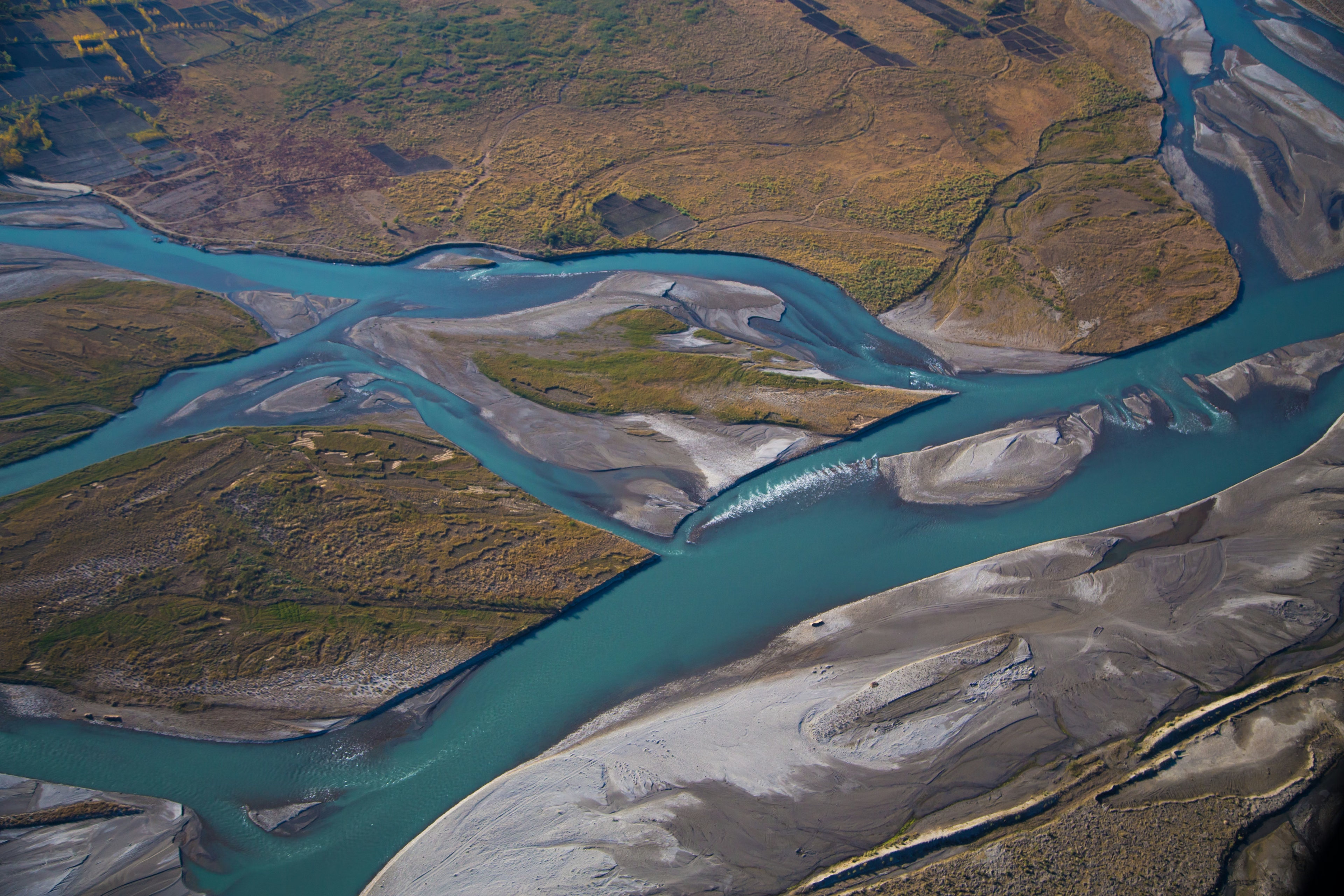

Afghanistan’s water pressures expose the need for lasting adaptation support, practical infrastructure and climate finance that can reach vulnerable communities.
Water depletion and scarcity are at the core of Afghanistan’s climate crisis. For communities already struggling with poverty, displacement and years of conflict, the question is how to secure the water and support needed to withstand the next shock.
At “Afghanistan at the Frontlines of Climate Stress & Migration,” a September 28, 2026 side event of the 81st United Nations General Assembly, speakers warned that water scarcity and environmental pressures are deepening the country’s humanitarian challenges. 1 2
Afghanistan’s mountains have historically supplied much of its water. But the country’s dependence on snowmelt leaves it exposed to changes in temperature and precipitation, while limited storage and groundwater depletion compound the pressure. A World Bank assessment identifies reduced snow storage, greater evaporation and changes in river runoff as risks to already strained water resources. It also points to decades of underinvestment in water infrastructure and weak institutions. 3
At the event, water-resource expert Najibullah Sadid described the danger of exhausting groundwater reserves that cannot readily be replenished, framing it as a move toward “water bankruptcy.” 2 The term captures something more lasting than a temporary shortage. A January 2026 United Nations University report describes water systems that have been so overused or degraded that they can no longer return to their historical condition. Protecting the remaining resources, and adapting to what can sustainably be supplied, becomes essential. 4
The warning comes as multiple pressures collide. According to the United Nations Development Programme, drought affected 64% of Afghanistan in 2025. The same report found that around 28 million people, roughly three in four Afghans, could not meet their most basic needs. The return of 2.9 million Afghans in 2025 placed further strain on services and livelihoods. 5
The seasonal picture matters. FAO’s September 15, 2026 country brief reported that dry conditions in late 2025 were followed by above-average precipitation in the first quarter of 2026. Snowmelt and improved moisture helped the winter wheat crop, although some rainfed areas continued to struggle. A better growing season does not by itself resolve the longer-term problems of storage, access and depleted groundwater. 6
Water sustains life. When there is less available for drinking, farming or livestock, the consequences reach far beyond the household tap. Farmers, villages and upstream and downstream communities must manage competing needs. The United Nations University report identifies unmanaged water depletion as a potential source of internal and cross-border tensions, while presenting cooperative water governance as a way to build trust. 4
Financing was a central concern at the September event. Selwin Hart, the U.N. Secretary-General’s special adviser on climate action and just transition, argued that fragile states need workable routes to climate funding through appropriate partners, including the United Nations. He also said Afghanistan had contributed less than 0.1% of global greenhouse gas emissions. 2 7
The financing barriers are substantial. The United Nations’ 2025 Results Report for Afghanistan, published in 2026, said funding from the Adaptation Fund and Green Climate Fund remained suspended following the 2021 political changes. That is a serious gap, although it does not mean all international water assistance has stopped. The World Bank’s Afghanistan Water Emergency Relief Project, for example, aims to improve drinking-water and irrigation services for 1.2 million people in rural areas. 8 9
The proposals discussed at the event were largely practical: early-warning systems, resilient agriculture, watershed restoration, small-scale water infrastructure and cooperation over shared river basins. Speakers also emphasized women’s participation in adaptation and water governance. Farishta Sakhi, president of Global Resilience, placed climate justice at the center of the discussion, connecting environmental pressures with displacement and development. 2 10
Every drought, flood or water shortage places additional pressure on communities that have already endured conflict, displacement and economic instability. How can we expect an already fragile state to grow and prosper when families cannot count on the basic resources necessary for life?
We must not ignore the threat of water bankruptcy. For Afghan communities, the question is no longer whether climate change will affect access to water, but whether adaptation support can reach people quickly enough to prevent water scarcity from deepening a humanitarian emergency. The challenge now is turning practical proposals into sustained action, protecting water resources before more damage becomes irreversible.
Source note: This analysis draws on Mayah Ramadan’s reporting and the sources below. The UN-hosted event transcript is automatically generated and is not an official UN record. Event remarks are paraphrased; the short term “water bankruptcy” is also used in the United Nations University report.
Sources
- [1] UN Web TV, Afghanistan at the Frontlines of Climate Stress & Migration, September 28, 2026. Event date and UNGA session.
- [2] UN-hosted automated transcript of the September 28 event. Used for attributed paraphrases, not as an official verbatim UN record.
- [3] World Bank, Afghanistan Water Emergency Relief Project appraisal document, 2023, paragraph 6.
- [4] United Nations University, Global Water Bankruptcy, January 20, 2026. Report and summary.
- [4] United Nations University, Global Water Bankruptcy, January 20, 2026. Report and summary.
- [5] UNDP, Record population returns, drought and aid cuts push Afghanistan further into crisis, new UNDP report, May 13, 2026.
- [6] FAO GIEWS, Afghanistan country brief, reference date September 15, 2026.
- [7] U.N. Secretary-General, Office of the Special Adviser on Climate Action and Just Transition. Hart’s name and title.
- [8] United Nations in Afghanistan, Results Report 2025, published April 2026, PDF page 59, section Challenges and Priorities for 2026, Climate finance.
- [9] World Bank, Supporting the People of Afghanistan, Afghanistan Water Emergency Relief Project.
- [10] Princeton School of Public and International Affairs, Farishta Sakhi biography. Name and role.