FREE. FAIR. GLOBAL.
Criminals Don’t Stop at Borders. Can Governments Keep Up?
At the UN Crime Congress, delegations called for faster intelligence-sharing, stronger justice institutions and cooperation that produces measurable results.
Mayah Ramadan
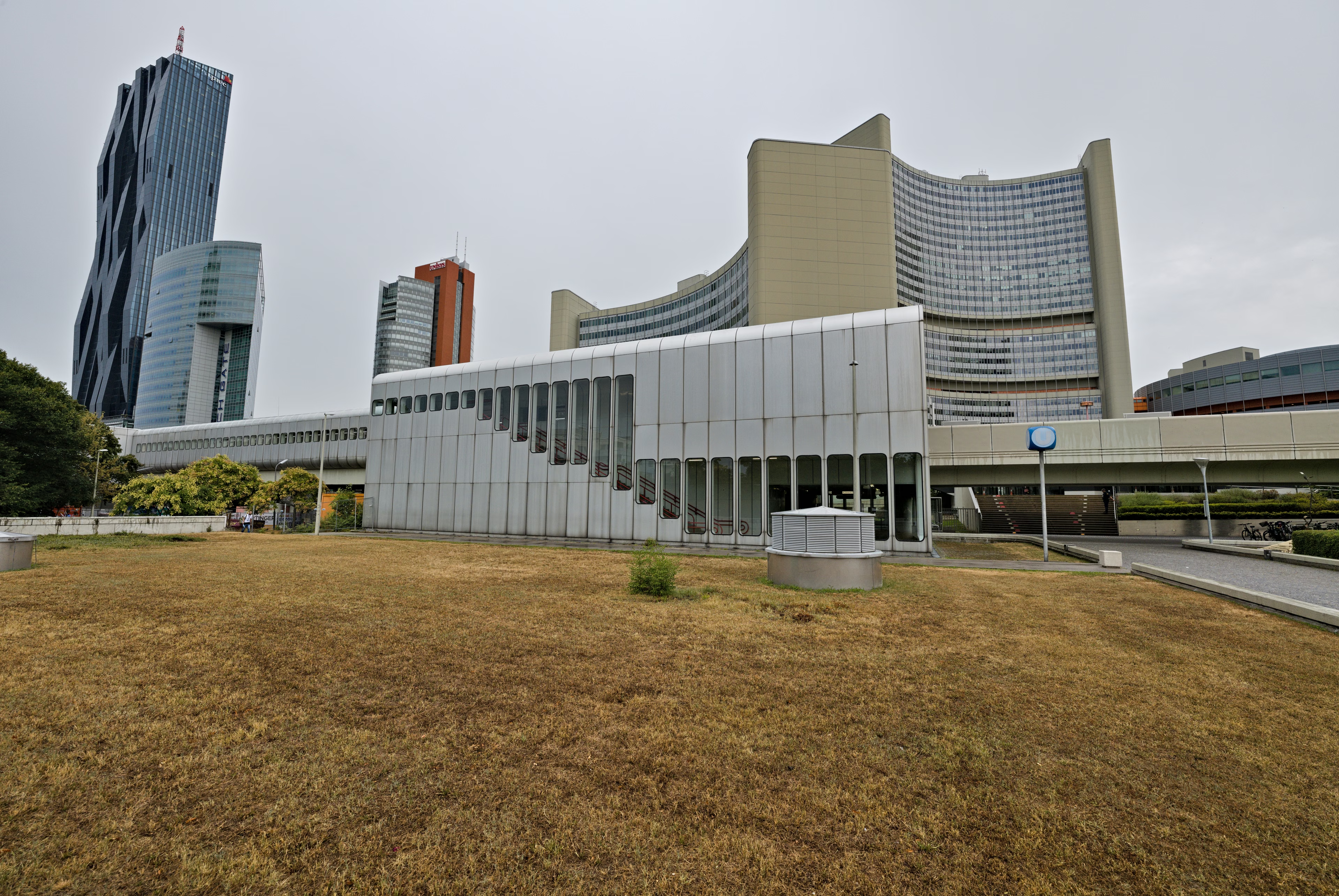

At the UN Crime Congress, delegations called for faster intelligence-sharing, stronger justice institutions and cooperation that produces measurable results.
Criminal networks are becoming increasingly global, digital and interconnected, prompting governments to call for faster cooperation across borders and between their own justice institutions.
That was the central message of the 11th plenary meeting of the 15th United Nations Congress on Crime Prevention and Criminal Justice on September 30. Delegations discussed information-sharing, technical assistance and training as practical responses to crimes that cross jurisdictions. Their calls for cooperation also exposed differences over what international assistance should prioritize and how its results should be measured.1
Introducing the discussion, UN Secretariat official Philippe Meissner said serious crimes, including corruption, organized crime and cybercrime, increasingly transcend national borders and rely on digital technologies. He called for stronger coordination within justice systems and with international partners. Investments in digital capabilities, he cautioned, should complement the basic institutional capacity needed to deliver justice.1
Thailand described a criminal landscape in which a fraud operation can draw on drug-trafficking revenue, forced criminality, corruption and the misuse of technology. Its delegation highlighted the Scam and Human Trafficking Information Exchange and Linked Database, known as SHIELD, as a mechanism for sharing intelligence on scam compounds securely and promptly. It invited international partners to take part.2
The discussion also highlighted the demands that digital crime places on countries with limited resources. Technology alone cannot resolve gaps in expertise, training or coordination between investigators, prosecutors and other justice officials.
Uganda pointed to its partnership with the UN Office on Drugs and Crime as an example of international assistance translating into national programs. Its delegation said that cooperation had strengthened coordination among investigative, prosecutorial and financial-intelligence agencies. It also reported that Uganda was establishing a national coordination center for organized crime. The country called for sustained, nationally owned assistance rather than one-off training.3
Zimbabwe emphasized tracing criminal proceeds, strengthening transparency about beneficial ownership, and improving mechanisms to freeze, confiscate and recover illicit assets. Italy likewise stressed the need to trace criminal assets across jurisdictions, connect practitioners directly and design assistance around lasting national capacity.4
The United States challenged the scope of the working paper before the meeting. Its delegation argued that attention to climate change distracted from crime prevention and criminal justice cooperation. It called for greater burden sharing and evidence of results from assistance, including investigations, prosecutions and the disruption of criminal networks.5
The intervention underscored a difference in emphasis within the discussion: countries sought stronger cooperation and support, while the United States pressed for a narrower focus and clearer measures of what assistance achieves.
Across the meeting, the practical proposals followed a common thread: faster exchanges of intelligence and electronic evidence, stronger professional networks, training, and technical capacity. The challenge is to make cooperation across different legal systems and institutions as connected as the criminal activity it is meant to confront.1–5
This report draws on Mayah Ramadan’s coverage notes and the UN-hosted automated transcript of the meeting. The transcript is not an official UN record. Statements about national initiatives and their results are attributed to the delegations that made them.
Sources
- 1. UN Crime Congress, plenary meeting 11, September 30, 2026: opening at 34:41; Philippe Meissner at 37:52 (automated transcript)
- 2. Thailand delegation, 1:14:50 (automated transcript)
- 3. Uganda delegation, 1:07:40 (automated transcript)
- 4. Italy at 1:37:28; Zimbabwe at 2:22:06 (automated transcript)
- 5. United States delegation, 2:07:09 (automated transcript)
- UN Web TV: meeting recording, September 30, 2026