FREE. FAIR. GLOBAL.
The Invisible Victims: UN Expert Pushes to End Policy Blind Spot on Violence Against Older Women
At a UN side event, Reem Alsalem and human rights advocates called for data, services and protections that recognize violence against women throughout their lives.
Mayah Ramadan
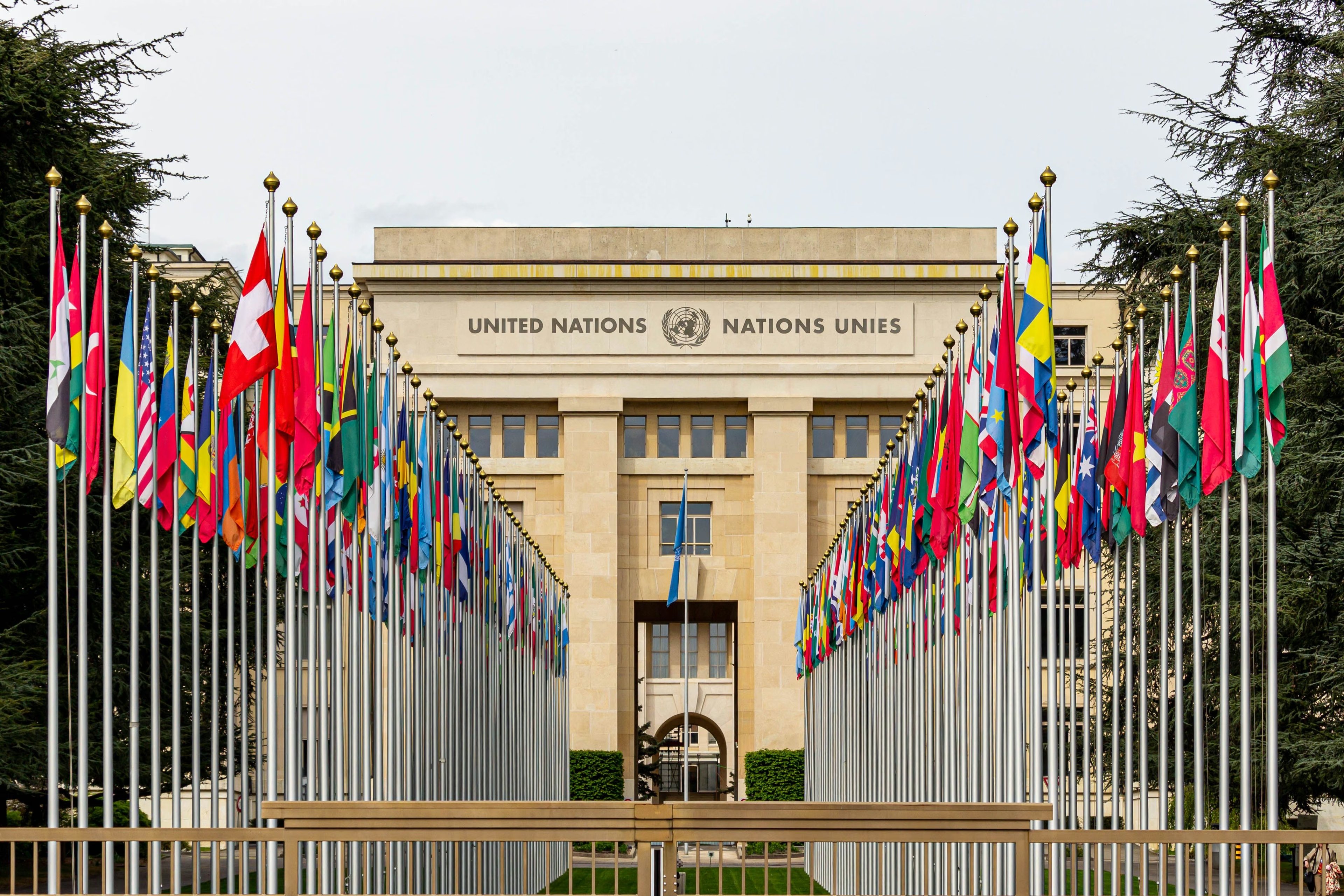
At a UN side event, Reem Alsalem and human rights advocates called for data, services and protections that recognize violence against women throughout their lives.
NEW YORK — Decades of progress in international human rights have strengthened global mechanisms to combat gender-based violence. Yet older women can still fall through gaps in policy, data and protection services.
At “Older Women Matter: Addressing Violence Across the Life Course,” a United Nations General Assembly side event on October 7, Reem Alsalem, the UN Special Rapporteur on violence against women and girls, and human rights advocates called for protections that reach women throughout their lives.
Alsalem discussed the concerns behind her report on violence against older women, which she said she was scheduled to present formally to the General Assembly’s Third Committee the following day. She warned that older women remain overlooked in laws and policies, research, services and public debate, despite existing international human rights protections.
Rather than viewing mistreatment in later years solely through the lens of elder abuse, Alsalem described violence against older women as a continuation of discrimination that can accumulate across a lifetime and be compounded by ageism. She identified physical, psychological, sexual and economic violence, alongside coercive control, pension appropriation, guardianship arrangements that remove legal capacity, and deprivation of medication, mobility aids or care.
The legal foundations already exist. The Committee on the Elimination of Discrimination against Women’s General Recommendation No. 27, issued in 2010, affirms that women’s rights apply at every stage of life. It calls on states to prohibit violence against older women, improve access to justice and collect data broken down by age and sex.
The policy blind spot is also a question of how older women are counted. During the discussion, a representative of the rights organization Just Access called for data in five-year age bands rather than a single “50-plus” category, emphasizing that women’s protection needs change as they age.
The gathering also highlighted momentum toward a legally binding international instrument on the rights of older persons. In April 2025, the UN Human Rights Council established an intergovernmental working group to develop a draft instrument. At the October 7 event, Alsalem argued that any future convention must recognize the intersecting effects of sex and age, and older women’s equal dignity and autonomy.
Her central message was that human rights protections must accompany women throughout their lives. Older women, she emphasized, must be recognized as rights-holders with meaningful choices and protection from violence.
Source note: This report draws on Mayah Ramadan’s coverage, the UN-hosted automated event transcript and the documents below. The transcript is not an official UN record and was generated from an earlier version of the recording. Event remarks are paraphrased; no direct quotations or audio-verified timestamps are claimed.