FREE. FAIR. GLOBAL.
Second Committee Debates Development Traps and Structural Reform for Vulnerable Nations
Delegates pressed for sustained support as vulnerable countries graduate, with food security, infrastructure finance and the 2027 Doha review at the center of discussions.
Reporting by Katherine Knisely; edited by GLOBAL.

Delegates pressed for sustained support as vulnerable countries graduate, with food security, infrastructure finance and the 2027 Doha review at the center of discussions.
Against a backdrop of sharply falling aid, the UN General Assembly’s Second Committee opened its sixth meeting of the 81st session on Wednesday with calls to turn development commitments into practical support for vulnerable countries. The discussion covered sustainable urbanization and countries in special situations, including least developed countries (LDCs) and landlocked developing countries (LLDCs).
Official development assistance fell by 23.3% in 2025, according to preliminary OECD data on net aid, adding pressure ahead of the 2027 midterm review of the Doha Programme of Action. Delegates focused on how international support can reflect structural vulnerabilities and remain effective as countries advance beyond development categories.
Introducing seven Secretary-General reports on countries in special situations, OHRLLS Director and acting UN Technology Bank Managing Director Roland Mollerus outlined the scale of the challenge. LDCs accounted for just 1.03% of global exports of goods and commercial services in 2024, while 57.8% of their populations experienced moderate or severe food insecurity.
Qatar and the Qatar Fund for Development have pledged $10 million to begin operationalizing the LDC Food Stockholding Mechanism through a pilot phase. The UN Technology Bank, marking ten years since its establishment, is also moving beyond technology needs assessments toward implementation and expanded delivery.
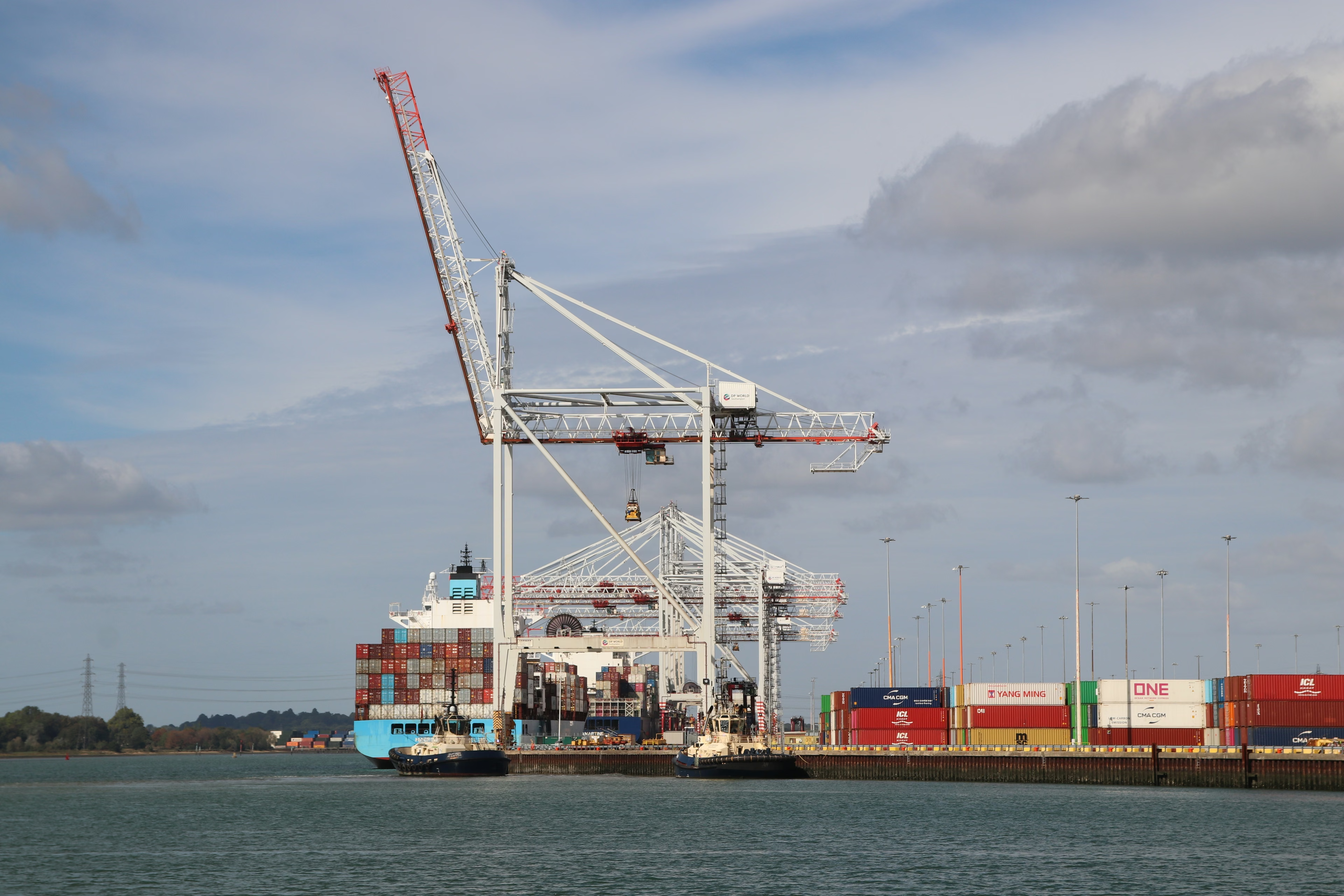
For the 32 landlocked developing countries, a feasibility study examined a dedicated infrastructure investment finance facility. Closing their road and rail infrastructure gap alone is estimated to require around $500 billion. That figure describes the financing need, rather than an announced fund.
The debate also addressed whether income measures adequately capture exposure to external shocks. Palau, speaking for the Alliance of Small Island States, and Jamaica, representing the Caribbean Community, advocated using the Multidimensional Vulnerability Index to better inform international support and access to finance. Palau cautioned against the abrupt loss of development support following graduation.
The Maldives, which graduated from LDC status in 2011, urged consideration of alternative financing, institutional capacity and fiscal space before key support is withdrawn. Angola and the LDC Group, represented by Gambia, also emphasized smooth transitions that protect development gains. Angola called for nationally owned strategies and a gradual, predictable phase-out of support.
General Assembly President Khalilur Rahman framed the discussion around delivery and reform. Of the 139 Sustainable Development Goal targets with trend data, he noted, only 36% were on track or showing moderate progress. With the Doha review approaching in 2027, delegates’ interventions highlighted a common concern: graduation should strengthen long-term resilience without abruptly removing the support needed to sustain it.
Editorial note: This report draws on Katherine Knisely’s reporting, the UN-hosted automated meeting transcript and the sources below. The transcript is not an official verbatim record. Delegation positions are paraphrased.
Sources
- UN Second Committee meeting transcript, 7 October 2026 (automatically generated)
- OECD: ODA projections for 2026 and the near-term
- UN Technology Bank: Roland Mollerus presents Secretary-General’s report
- UN 2026 SDG statistical annex: moderate or severe food insecurity
- President of the 81st General Assembly