FREE. FAIR. GLOBAL.
Rule of Law Debate Exposes Deep Divide Over “Rules-Based Order” as Sixth Committee Advances 81st Session Work
UN delegations backed closer cooperation with the International Law Commission while sharply differing over the meaning and application of a rules-based international order.
Felizitas von Sanden
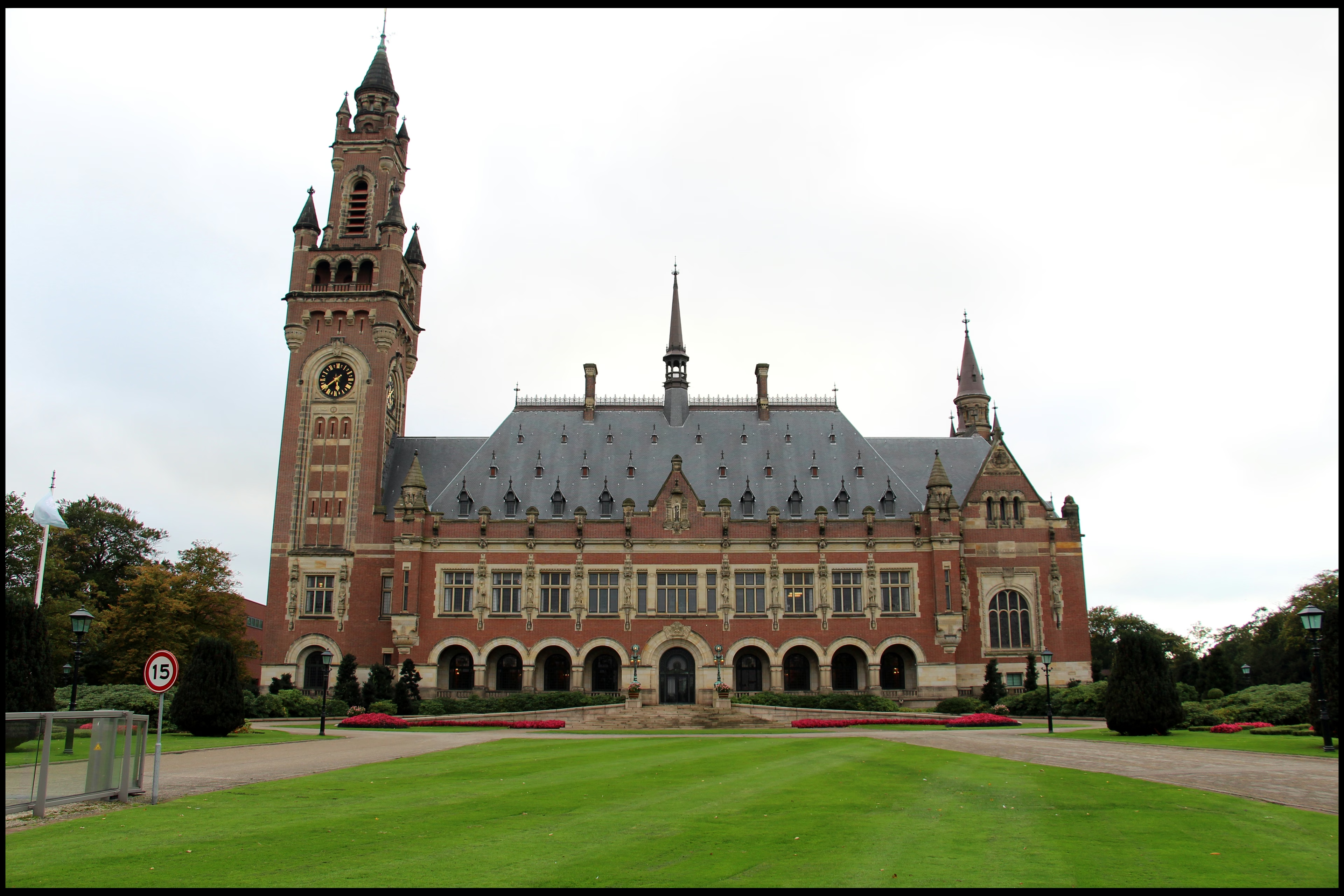

UN delegations backed closer cooperation with the International Law Commission while sharply differing over the meaning and application of a rules-based international order.
On October 7, 2026, the third anniversary of the October 7, 2023 attack, the General Assembly’s Sixth Committee opened its annual debate on the rule of law. UN Member States agreed that the international legal order is under strain, but disagreed significantly on who is responsible and how to fix it.
During the debate, delegations expressed broad support for strengthening work with the International Law Commission, suggesting practical proposals. The EU proposed restructuring International Law Week to allow more informal exchanges, while South Africa called for more structured interactions and in-depth feedback. Canada, Australia and New Zealand, known collectively as CANZ, suggested guiding questions to support focused exchanges with the Commission. Malaysia suggested circulating International Law Commission documents earlier and strengthening feedback between the two bodies, and the Nordic countries called for adequate resources for the Commission.
The Group of Friends of Global Governance, represented by China, said the International Law Commission should give greater attention to Global South practice and maintain its ties to regional legal bodies. The Gambia and Malaysia also emphasized more representative state practice. The African Group underlined the need to remove structural barriers that limit developing countries’ participation and strengthen their capacity to take part.
However, there was a split over what “rules” mean. A like-minded group represented by Cuba, which included Russia, China and Iran, opposed the “rules-based order,” arguing that it remained unclear and had not been negotiated or accepted by the UN membership. Belarus echoed that position. ASEAN, the Baltic states and the African Group, meanwhile, spoke positively of a rules-based international order grounded in international law.
The EU, Nordic and CANZ states reaffirmed their support for the International Court of Justice and the International Criminal Court. Belarus opposed expanding international courts’ jurisdiction without state consent.
The Non-Aligned Movement and the Arab Group highlighted Gaza, the West Bank, Lebanon and Syria, calling for accountability through the International Court of Justice and the International Criminal Court. The Gulf Cooperation Council condemned Iranian attacks on GCC states and Jordan, saying Iran bore responsibility for its actions and their consequences. Cuba’s like-minded group condemned US and Israeli attacks on Iran since February 2026, calling for accountability, an end to colonial and neocolonial practices, and reform of global governance. NAM also called for the use of the Security Council veto to be curtailed.
The meeting ended with an exchange of rights of reply from Israel, Iran and Palestine. The chair said the debate would continue on October 8 and that Deputy Secretary-General Amina J. Mohammed would have an opportunity to address the Committee later in the session.
Source note: This report draws on Felizitas von Sanden’s coverage and the UN-hosted automated meeting transcript. The transcript is not an official UN record. Delegation remarks are paraphrased, and the positions and condemnations described above are attributed to the speakers who expressed them.
Sources
- UN Transcripts: Sixth Committee, sixth plenary meeting, October 7, 2026 (automated transcript; not an official UN record)
- UN Web TV: Sixth Committee, sixth plenary meeting, October 7, 2026
- UN Sixth Committee: Rule of law, 81st session, agenda item 84
- China’s Permanent Mission: Statement on behalf of the Group of Friends of Global Governance, posted October 8, 2026
- Estonia’s Permanent Mission: Baltic statement on the rule of law, October 7, 2026