FREE. FAIR. GLOBAL.
Colombia Seeks Changes to UN Mission as Peace Accord Nears 10 Years
Colombia proposed refocusing the UN Verification Mission as Council members debated security guarantees and implementation of the 2016 peace agreement.
Eathan Ligon
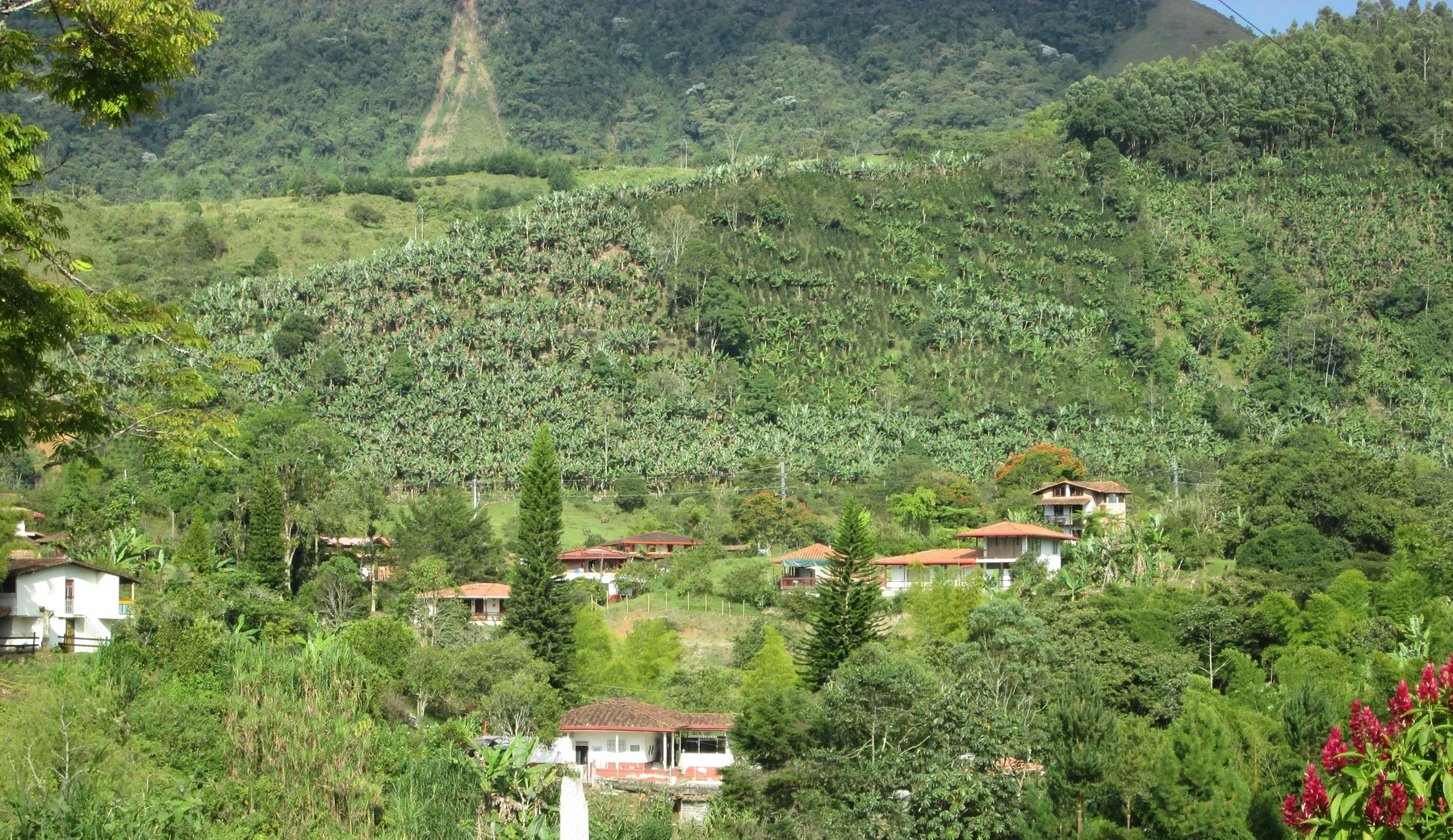

Colombia proposed refocusing the UN Verification Mission as Council members debated security guarantees and implementation of the 2016 peace agreement.
Colombia asked the United Nations Security Council on 12 October to refocus the UN Verification Mission on reintegration and security guarantees, as the country's 2016 peace agreement approaches its tenth anniversary.
Foreign Minister Omar Bula Escobar said President Abelardo de la Espriella's government remained committed to Colombia's obligations under the accord. He argued that rural reform should be integrated into permanent national institutions, rather than remain subject to the mission's exceptional verification mechanism. The proposal concerned the mission's mandate; any formal change remained for the Council to decide.
Miroslav Jenča, the Secretary-General's Special Representative and head of the mission, called for comprehensive implementation of the agreement. He said security policies and the accord could reinforce one another, pointing to rural development, transitional justice and reparations for victims alongside the need for stronger state institutions.
Jenča cited government estimates presented to legislators that illegal armed groups had grown from roughly 15,000 members in 2022 to about 28,000. Bula separately described an increase from 6,000 to nearly 30,000 since 2016. The comparisons cover different periods.
Bula cited 132,930 homicides, nearly 100,000 extortion cases and more than 2,750 kidnappings between July 2016 and August 2026. He also reported 32,029 arrests, more than 135 tonnes of narcotics seized and 3,414 firearms removed during the government's first 60 days, alongside 119 signed extradition orders. These were the government's reported figures, not independently audited findings presented in this article.
The minister also cited a 53 per cent rise in potential cocaine production. That figure refers to 2023 compared with 2022, rather than an undated annual increase.
Council members placed different emphases on Colombia's next steps. Russia supported renewal of the full mission mandate and urged protection for civilians during military operations, continued dialogue with willing armed groups, and independent work by the Special Jurisdiction for Peace with stable funding. It also acknowledged the government's security priorities.
The United Kingdom emphasized full implementation of the accord during its final five years of implementation. That period referred to the peace agreement's implementation framework, not a five-year extension of the UN mission.
The briefing ended without a vote changing or renewing the mission's mandate. The question was how international verification would support Colombia's remaining peace commitments, alongside efforts to improve security.
Sources
- Colombian Foreign Ministry: Foreign Minister Omar Bula's statement, 12 October 2026
- UN Verification Mission: Miroslav Jenča's statement, 12 October 2026 (via UN OCHA ReliefWeb)
- United Nations: Secretary-General report S/2026/759 (via ReliefWeb)
- Permanent Mission of Russia: Vassily Nebenzia's statement, 12 October 2026
- UK Foreign, Commonwealth & Development Office: Security Council statement, 12 October 2026
- UN-hosted automated transcript: Security Council 10238th meeting (not an official verbatim record)