FREE. FAIR. GLOBAL.
Debt, Climate Shocks and Conflicts Threatening SDGs
At the UN Second Committee, developing countries pressed for financing, disaster preparedness and action on the conflicts undermining progress towards the Sustainable Development Goals.
Felizitas von Sanden
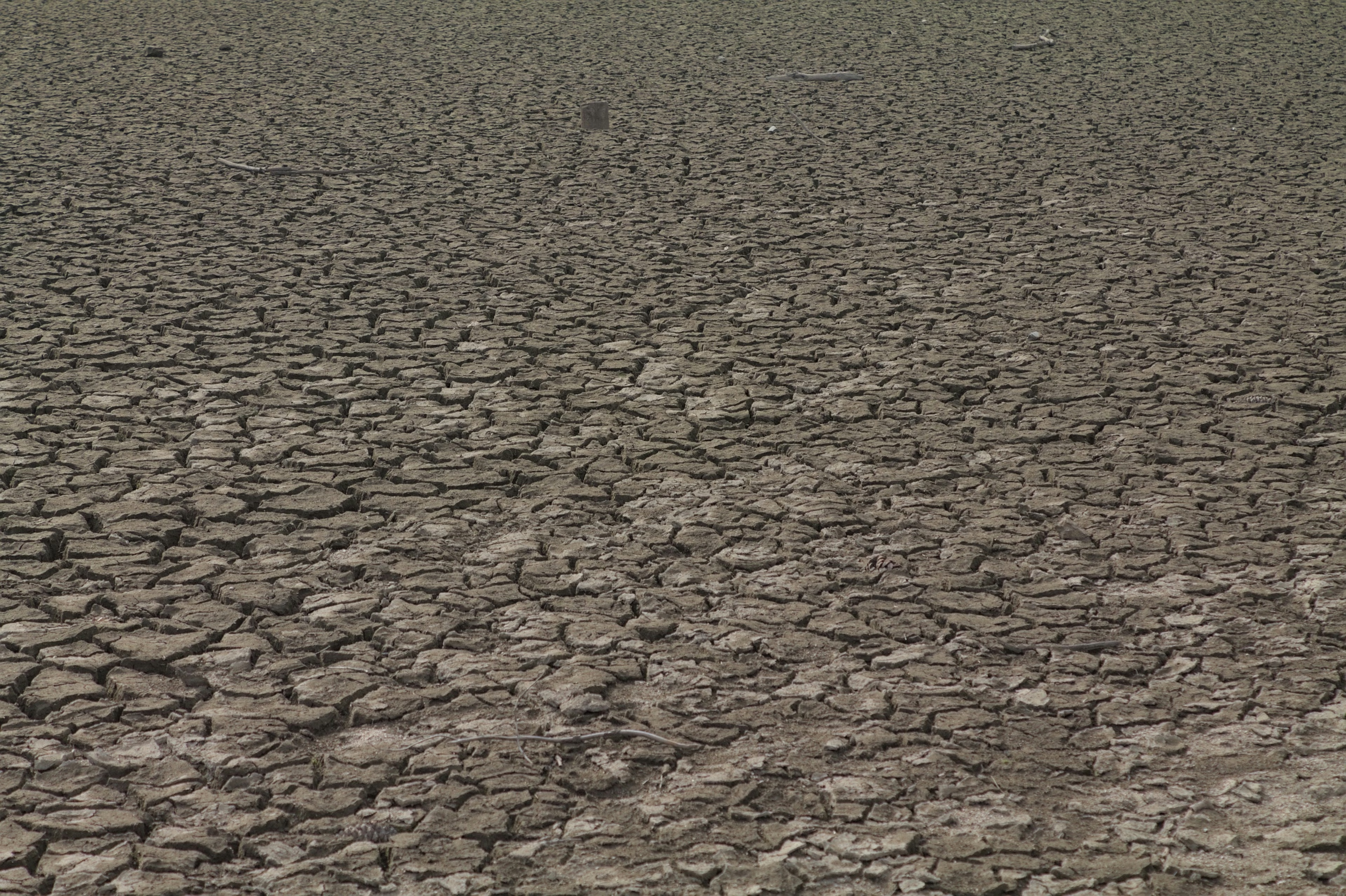

At the UN Second Committee, developing countries pressed for financing, disaster preparedness and action on the conflicts undermining progress towards the Sustainable Development Goals.
With four years remaining until 2030, developing countries told the General Assembly’s Second Committee that debt, climate disasters, and conflict threaten progress towards the Sustainable Development Goals. During its 11th and 12th plenary meetings on Monday, 12 October 2026, the Committee discussed sustainable development under agenda item 17. Delegations described progress as insufficient, while differences emerged over financing, energy transitions, and responsibility for the pressures facing developing countries.
Finance dominated much of the debate. Malta, Guyana, and the Gulf Cooperation Council cited an annual SDG financing gap of $4 trillion in developing countries. The Maldives said most developing countries spend more on debt servicing than on development. Delegations proposed several responses: Cameroon called for financing that would not add to countries’ debt burdens, while Tunisia highlighted debt conversion for climate and environmental investments. The Alliance of Small Island States, Malta, Rwanda, Guyana, and Timor-Leste supported using the Multidimensional Vulnerability Index to inform assistance. Nigeria argued that the central challenge was the widening gap between political commitment and the resources needed for implementation.
Climate hazards were another concern. Speaking for the Alliance of Small Island States, Palau stressed that the 1.5°C temperature goal must remain central to climate action, even as the risk of overshooting it grows. Guyana warned that an overshoot could compound pressures in conflict zones, including competition over scarce water. The Least Developed Countries Group said disaster mortality in its countries was more than twice the global average.
Delegations also described specific risks. Guatemala warned that El Niño was expected to intensify towards the end of 2026, while Mozambique cited an outlook for significant impacts extending into early 2027. Namibia discussed food insecurity following its 2024–2025 drought. Mongolia, Iraq, and Yemen highlighted sand and dust storms. Senegal described flooding, while Türkiye, Bangladesh, and the International Federation of Red Cross and Red Crescent Societies drew attention to recent disasters in Nepal.
The emphasis was on investing before disasters strike. Haiti called for financing that could be mobilized in advance, and Morocco said countries invested too little in prevention. Several speakers urged stronger early warning systems and preparedness.
The energy debate exposed differences. Russia criticized efforts to promote renewables regardless of national circumstances and called for technological neutrality, including nuclear power, hydropower, natural gas, and carbon capture. It also opposed inserting climate language into every UN intergovernmental document. Azerbaijan emphasized its role as a natural gas supplier and described plans to expand renewable energy and supply green electricity to European markets. Morocco called for building on the consensus to transition away from fossil fuels, while Norway and Bangladesh urged stronger emissions reductions.
Conflict was repeatedly described as a barrier to development. Ukraine’s youth delegate cited the sharp rise in poverty following Russia’s full-scale invasion in 2022. World Bank estimates put poverty at 5.5% in 2021 and 24.1% in 2022, reversing 15 years of progress in poverty reduction. Palestine said decades of development gains had been erased in months. Yemen’s representative blamed the war waged by Houthi militias for damage to education. The delegate cited approximately 2.3 million children out of school in the country’s 2024 Voluntary National Review and said the number had reached 3.2 million in 2026.
The Gulf Cooperation Council and the Arab Group condemned Iranian attacks and threats to navigation through the Strait of Hormuz. Qatar also condemned Iranian attacks and emphasized the importance of maritime passage. Bahrain, speaking for the GCC, said the disruption affected countries outside the conflict through energy markets, trade, and supply chains. Bahrain and Iran exchanged two rounds of rights of reply, offering opposing accounts of responsibility for the conflict and its regional consequences.
At the close of Monday’s afternoon meeting, the chair said discussion of agenda item 17 would continue and conclude on Tuesday, 13 October. Delegations called for commitments to be translated into implementation. Costa Rica urged greater use of nature-based solutions and said economic development must respect the planet’s ecological limits.
The debate took place ahead of COP31 in Antalya, Türkiye, from 9 to 20 November 2026, and the UN Water Conference in Abu Dhabi from 8 to 10 December. Further milestones include the midterm review of the Doha Programme of Action for Least Developed Countries and the third SDG Summit in 2027.
Source note: This report draws on the author’s reporting, institutional sources and UN-hosted automated meeting transcripts. The transcripts are not official verbatim records; delegation remarks are paraphrased.
Sources
- UN-hosted transcript: Second Committee, 11th plenary meeting, 12 October 2026
- UN-hosted transcript: Second Committee, 12th plenary meeting, 12 October 2026
- Yemen: 2024 Voluntary National Review
- World Bank: Ukraine context and poverty estimates
- UNFCCC: COP31 dates and venue
- UN DESA: 2026 UN Water Conference
- United Nations University: next SDG Summit in 2027
- UN OHRLLS: midterm review of the Doha Programme of Action