FREE. FAIR. GLOBAL.
General Assembly Elects 15 Human Rights Council Members for 2027–2029
The General Assembly elected 15 Human Rights Council members for three-year terms beginning in January 2027, with uncontested regional slates.
Katherine Knisely
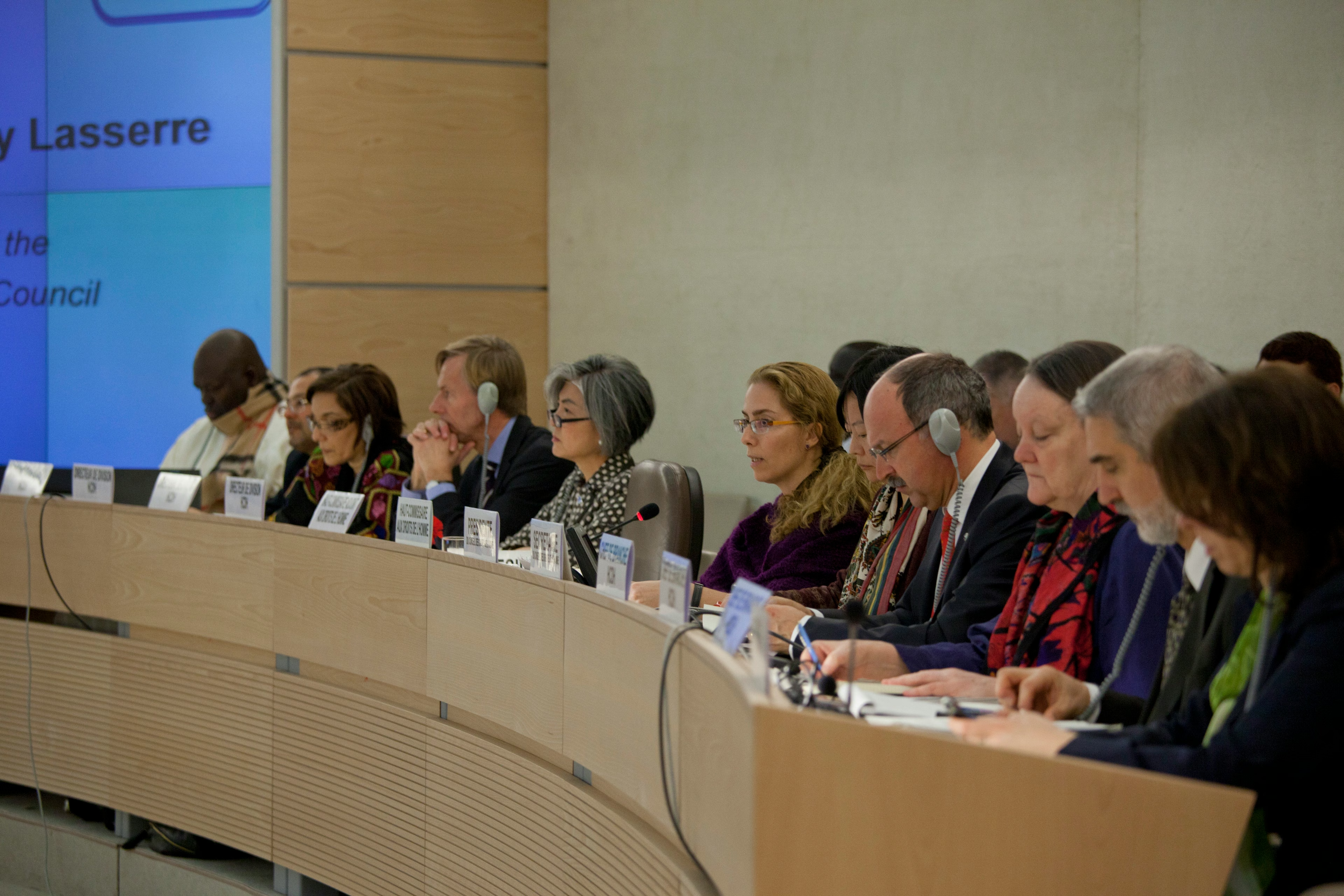

The General Assembly elected 15 Human Rights Council members for three-year terms beginning in January 2027, with uncontested regional slates.
The General Assembly elected 15 Human Rights Council members under agenda item 118(c) on 13 October 2026 in a single round of balloting. Each regional group’s slate had as many candidates as seats. Election required votes from a majority of the UN’s 193 Member States, or 97 votes. China, Côte d’Ivoire, Cuba, France, and Malawi were ineligible for immediate re-election because they had served two consecutive terms.
The Assembly elected Brazil, Burundi, the Dominican Republic, Germany, Ghana, Ireland, Japan, Jordan, Kuwait, Nepal, Nigeria, the Republic of Moldova, Ukraine, Uruguay, and Zambia. The elected states will serve three-year terms beginning on 1 January 2027.
Each regional ballot had 181 ballot papers, with none invalid. In the African group, Zambia received 177 votes, Ghana 173, Nigeria 172, and Burundi 160. In the Asia-Pacific group, Kuwait and Nepal each received 173 votes, Jordan 171, and Japan 166. In the Eastern European group, the Republic of Moldova received 168 votes and Ukraine 162. In the Latin American and Caribbean group, Brazil and the Dominican Republic each received 170 votes, and Uruguay 165. In the Western European and other states group, Ireland received 165 votes and Germany 163.
While the ballots were being counted, the Assembly held a joint debate on agenda items 123 and 124, concerning implementation of UN resolutions and revitalization of the General Assembly. Qatar, Paraguay, and the Republic of Korea were among the delegations calling for implementation of resolution 79/327. Kuwait and Iran also exercised their rights of reply.
Source note: This report draws on the author’s reporting, institutional sources and UN-hosted automated meeting transcripts. The transcripts are not official verbatim records; delegation remarks are paraphrased.