FREE. FAIR. GLOBAL.
Conflict and Hunger Shape Closing UN Food-Security Debate
The concluding debate brought disputes over conflict and food access alongside calls for agricultural investment, mine clearance and women’s economic participation.
Reporting by Felizitas von Sanden; edited by GLOBAL.
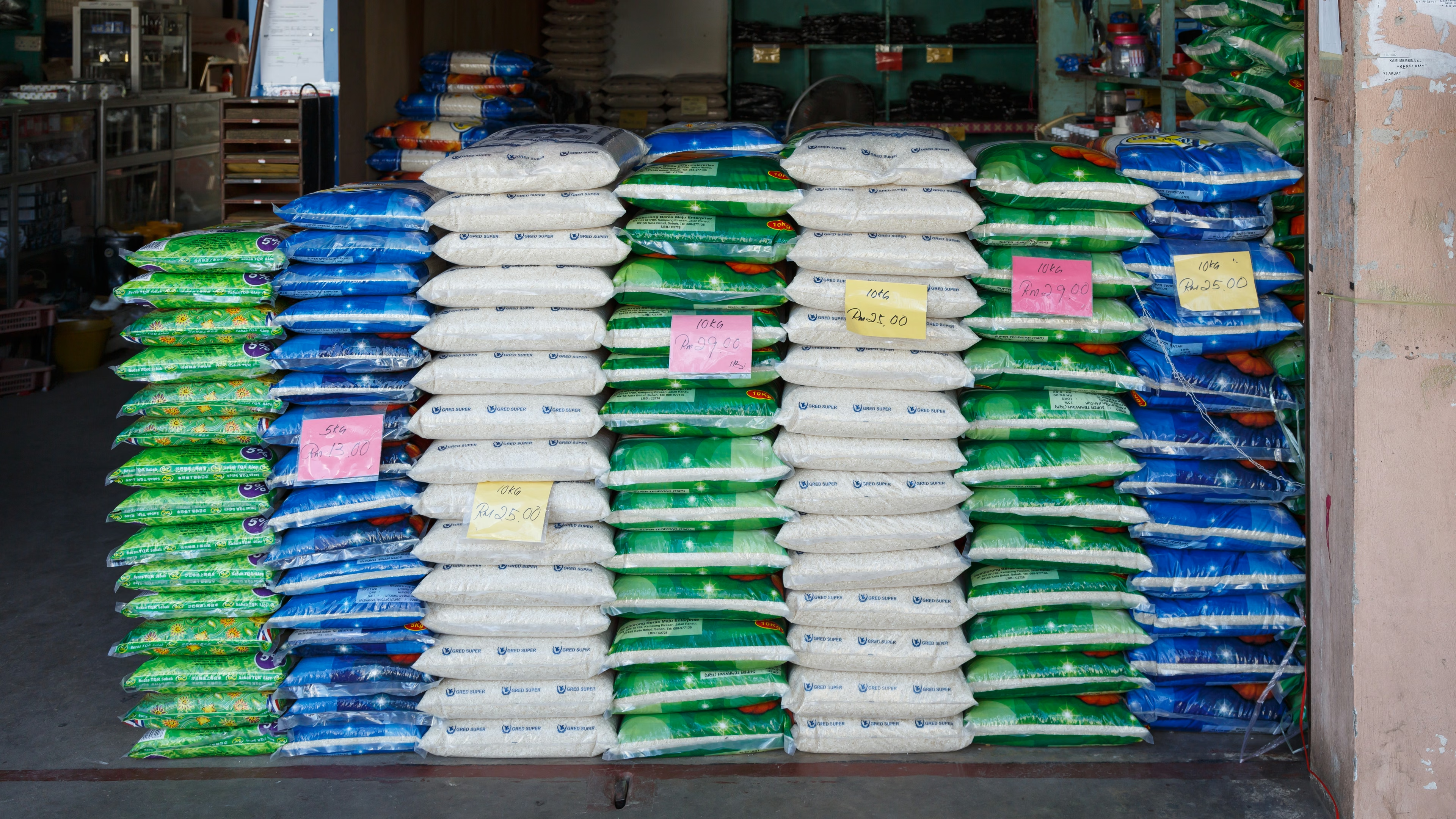

The concluding debate brought disputes over conflict and food access alongside calls for agricultural investment, mine clearance and women’s economic participation.
Disagreements over conflict and food access marked the close of the General Assembly’s Second Committee debate on poverty, agriculture and food security on 14 October. Delegations also described domestic production efforts and called for financing to strengthen rural livelihoods and women’s economic participation.
Norway’s youth delegates argued that persistent hunger reflected a lack of political will and questioned differences in the international response to Ukraine and Palestine. Their intervention challenged delegations to apply a consistent sense of urgency to people facing hunger in different conflicts.
Israel and Palestine disputed responsibility for hunger and the obstacles to food assistance in Gaza. Iran, Kuwait and Bahrain exchanged rights of reply concerning regional security and disruption to maritime routes.
Poland called for freedom of navigation in the Black Sea and for farmland to be cleared of mines. Syria also appealed for assistance with mine clearance so families could return to their land and farms. Jordan described its land corridor for aid to Gaza.
Alongside the conflict debate, delegations highlighted national agricultural and social programmes. Niger and Russia pointed to agricultural gains, Timor-Leste discussed poverty reduction, and Venezuela emphasized local producers’ contribution to its food programmes. Bangladesh highlighted its Farmer’s Card Programme as a form of support for farmers.
Several countries, including Zimbabwe, Nepal, Somalia, Togo and Malawi, called for concessional finance and changes to the international financial architecture. Malawi and Somalia urged greater domestic processing and manufacturing, rather than reliance on raw-material exports.
Women’s economic empowerment was another recurring theme. Spain described gender equality as a condition for sustainable development, while Haiti connected poverty eradication with women’s rights. Bangladesh, Zambia, Somalia and Tunisia called for fairer access to resources such as finance, land and technology.
The meeting concluded the joint general discussion of agenda item 21, on poverty eradication and other development issues, and item 23, on agricultural development, food security and nutrition.
This article was adapted by GLOBAL. from reporting notes and a news angle submitted by Felizitas von Sanden. The account of delegates’ remarks is based on von Sanden’s submitted meeting notes. Official UN meeting information confirms the date, agenda and conclusion of the discussion. An automated transcript was unavailable when this article was edited; the remarks have not been independently checked against the recording. Delegation positions are paraphrased, and precise unverified figures and detailed allegations have been omitted.