FREE. FAIR. GLOBAL.
Hunger Gains Remain Fragile as Conflict and Financing Pressures Reach UN Debate
FAO reported a third consecutive annual decline in global hunger, while UN officials and delegations warned that conflict, disrupted supply chains and shrinking development finance could reverse progress.
Reporting by Felizitas von Sanden; edited by GLOBAL.
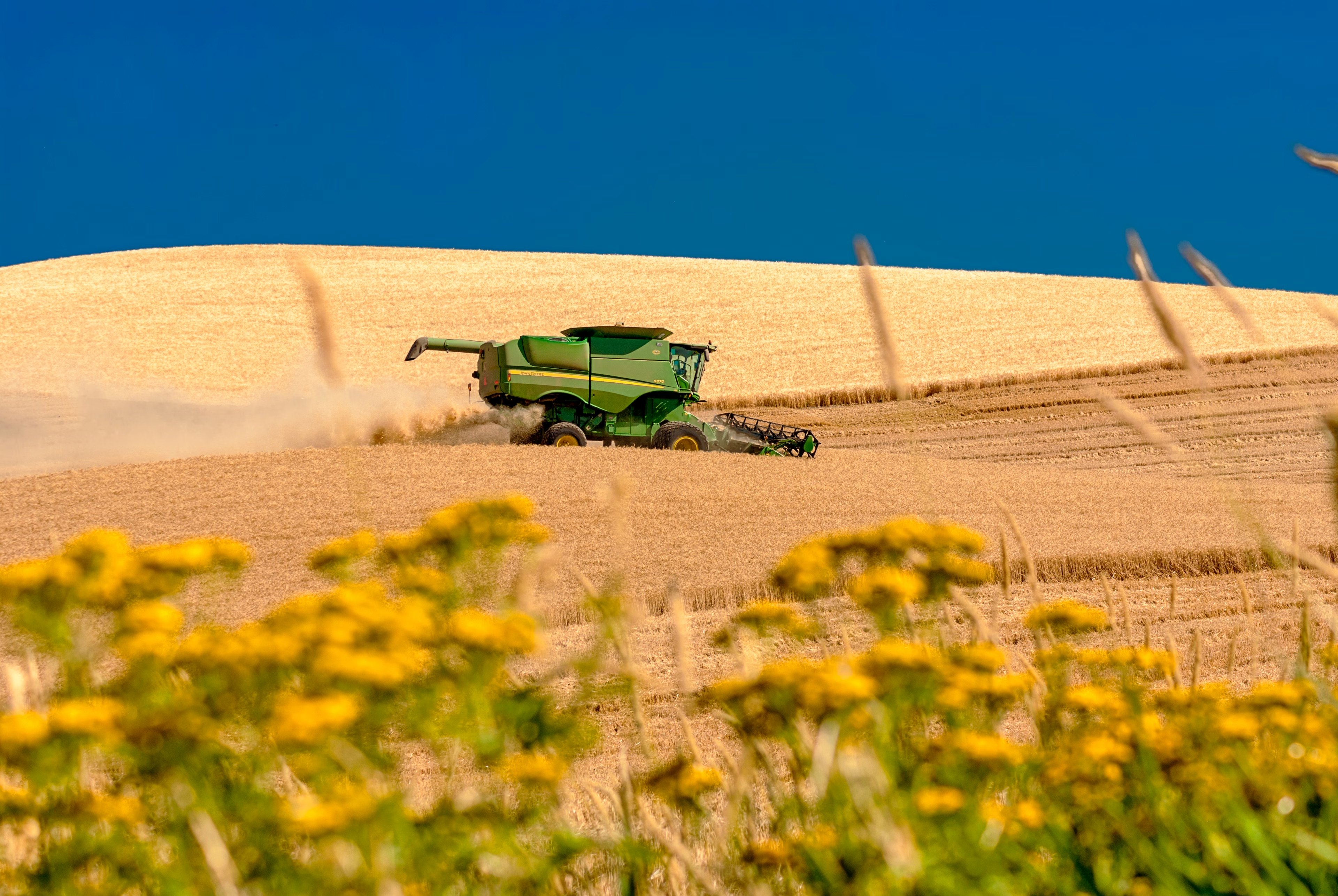

FAO reported a third consecutive annual decline in global hunger, while UN officials and delegations warned that conflict, disrupted supply chains and shrinking development finance could reverse progress.
Global hunger declined for a third consecutive year in 2025, but conflict and financial pressures threaten that progress, the Food and Agriculture Organization told the General Assembly’s Second Committee on 14 October. Opening the joint debate on poverty eradication and food security, UN officials and delegations described gains that remained uneven and vulnerable to further shocks.
FAO Chief Economist Máximo Torero said an estimated 645 million people, or 7.8% of the world’s population, faced hunger in 2025. He warned that the Middle East conflict could undermine progress towards Sustainable Development Goal 2, which aims to end hunger. Access to finance remained a major barrier to transforming food systems, particularly for smallholders, women and small enterprises.
Torero put the annual financing gap for SDG 2 at between $176 billion and $3 trillion through 2030. He explained that the estimated needs rise substantially when the affordability of healthy diets and broader food-system transformation are included. The range therefore reflects different scopes of investment, rather than a single agreed funding target.
Bahrain, speaking for the Gulf Cooperation Council and citing UNCTAD, said transit through the Strait of Hormuz had fallen by more than 95% during the crisis. It linked the disruption to energy, fertilizer and transport costs, warning of consequences for food security. Guyana similarly described how conflict, supply shocks, debt and climate pressures were reducing developing countries’ ability to respond.
Other interventions focused on agriculture in conflict zones. Ukraine described Russian attacks on farmland, ports, ships and storage facilities, and called for humanitarian demining and safer maritime food corridors. Brazil highlighted disrupted livelihoods and humanitarian access in Sudan and condemned the destruction of Palestinian agricultural livelihoods. These were delegation statements, rather than findings adopted by the Committee.
The Department of Economic and Social Affairs said the annual financing gap across the Sustainable Development Goals exceeded $4 trillion. It reported that official development assistance fell 23.1% in real terms in 2025 and warned that debt service and borrowing costs were crowding out investment in health, education, employment and social protection. Brazil called for affordable finance and room in national budgets to act, rather than further demands that developing countries achieve more with fewer resources.
UN Women connected those financial pressures with barriers to women’s economic participation. It said 351 million women and girls could still be living in extreme poverty in 2030. Women’s labour-force participation stood at 48.8% in 2025, compared with 72.9% for men, it reported. Its recommendations included investment in care and social protection, gender-responsive budgeting and removing discriminatory barriers to land, finance, technology and decent work.
FAO also emphasized the concentration of poverty in rural areas and the need for secure land rights, infrastructure, financial services and opportunities beyond farming. The African Group, represented by Namibia, and the Community of Portuguese-Speaking Countries, represented by Timor-Leste, highlighted school meals and public procurement as ways to support nutrition while creating opportunities for local producers. Guatemala described a school food programme with a similar connection to local production.
Delegations offered examples of national action. Guyana described tax measures to lower agricultural costs and collateral-free loans for small farmers. Sierra Leone said its agricultural budget allocation had risen from 2% to 7%, with a target of 10%. Cameroon stressed women’s access to land, credit, technology and markets, while several speakers called for stronger South-South and triangular cooperation.
The morning meeting ended with the debate set to continue that afternoon. The Chair identified 16 October at 3 p.m. as the deadline for draft proposals under the poverty eradication and agricultural development agenda items.
This article was adapted by GLOBAL. from reporting notes and a news angle submitted by Felizitas von Sanden. This report uses the submitted reporting and the UN-hosted automated transcript of the morning meeting. The transcript is not an official UN record. Numbers, accusations and policy positions are presented as the statements of the named speakers, not as independently established findings.