FREE. FAIR. GLOBAL.
Reconstruction must restore displaced people’s rights, UN expert says
Paula Gaviria Betancur argues that recovery must restore livelihoods, services and displaced people’s participation, not only buildings.
Reporting by Katherine Knisely

Reporting date: 21 October 2026
Paula Gaviria Betancur argues that recovery must restore livelihoods, services and displaced people’s participation, not only buildings.
Rebuilding homes and roads is not enough to end internal displacement, UN Special Rapporteur Paula Gaviria Betancur told a press briefing on 21 October. Recovery must also restore rights, livelihoods, services and displaced people’s ability to shape their own future.
Speaking after presenting her latest report to the General Assembly’s Third Committee, Gaviria Betancur questioned whether reconstruction would help people find lasting solutions or leave the conditions behind their displacement unchanged.
Her measure of success was not simply the number of buildings restored. It was whether people could return voluntarily and safely, integrate where they had found refuge, or settle elsewhere with dignity. Access to housing, land, employment and public services, alongside participation without discrimination, was central to that assessment.
The Internal Displacement Monitoring Centre’s 2026 global report estimates that 82.2 million people were living in internal displacement at the end of 2025. The figure covers people displaced within their own countries by conflict, violence and disasters, rather than only those who have crossed an international border.
Gaviria Betancur said displaced people needed to be treated as rights holders and partners in reconstruction, not only as recipients of assistance. Excluding them from decisions could reinforce the inequalities, grievances and loss of trust that had contributed to displacement in the first place.
She pointed to internally displaced people’s councils in Ukraine as an example of communities pressing for a stronger government response and participating in their own recovery. At the same time, she cautioned that continuing destruction made reconstruction more difficult even where planning and international commitments were advancing.
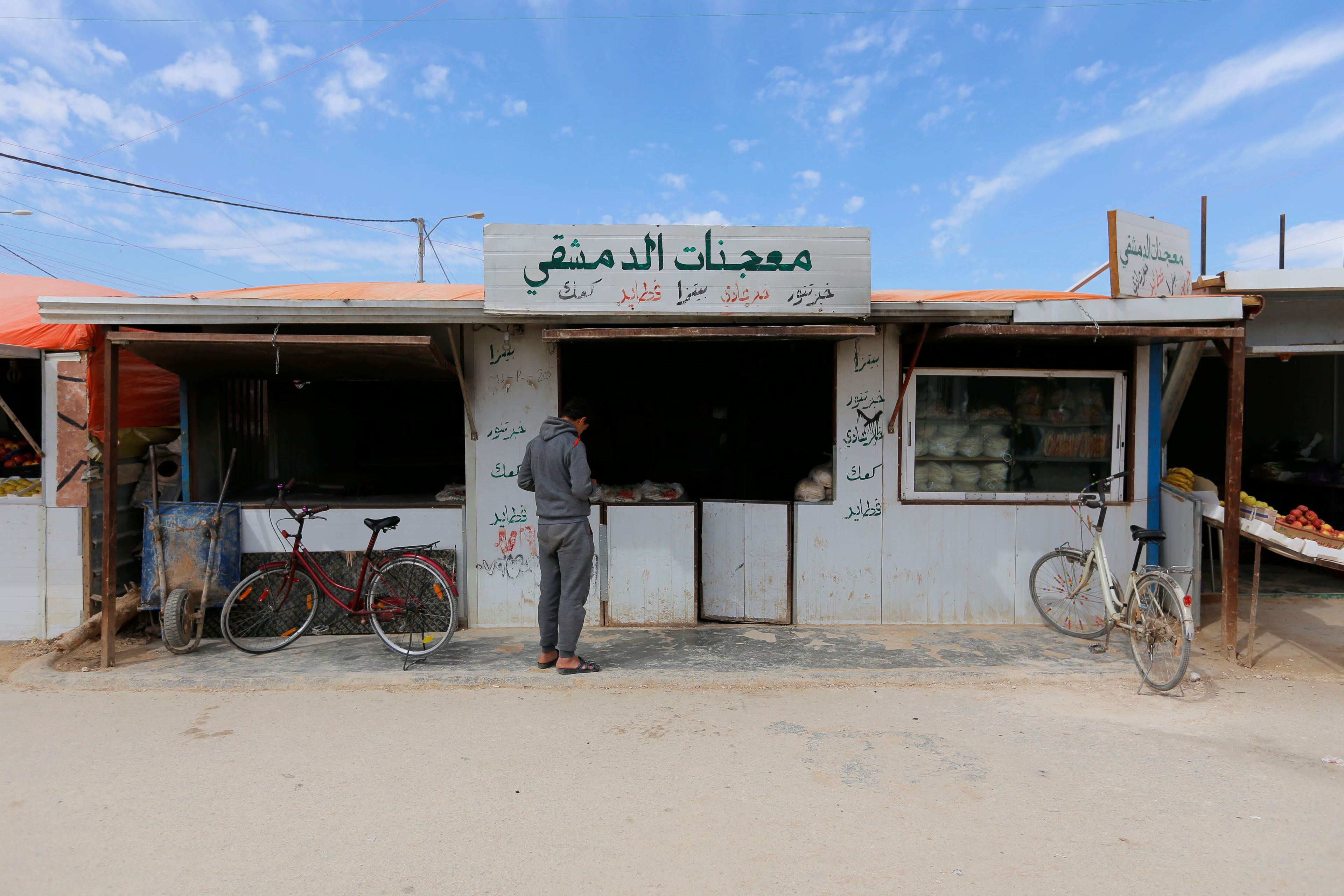
Discussing her visit to Syria, she distinguished between people being physically back home and their needs actually being met. Some returnees she had spoken to were pleased to have returned but still lacked livelihoods, roads and health services. She stressed that her account concerned those she had met, not everyone who remained unable to return.
The distinction also mattered for how progress was counted. Removing returnees from displacement lists could obscure continuing needs, she warned. A lasting solution required more than a change of address: people needed to be able to rebuild their lives without displacement-related barriers to their rights.
For children, that included access to education and safe spaces, as well as mental health and psychosocial support. Gaviria Betancur described these less visible dimensions of recovery as essential alongside physical rebuilding.
The briefing’s central message was that reconstruction should be shaped around people’s rights and choices. Restoring infrastructure mattered, but it could not substitute for restoring the conditions that allow displaced communities to live securely and participate in society.