FREE. FAIR. GLOBAL.
UN rights expert urges accountability over U.S. maritime strikes
Ben Saul, the UN Special Rapporteur on human rights while countering terrorism, called for investigations into U.S. military strikes on vessels suspected of drug trafficking and warned that treating organized criminal groups as terrorist organizations risks enabling serious human rights abuses.
Katherine Knisely

Reporting date: October 22, 2026
Ben Saul, the UN Special Rapporteur on human rights while countering terrorism, called for investigations into U.S. military strikes on vessels suspected of drug trafficking and warned that treating organized criminal groups as terrorist organizations risks enabling serious human rights abuses.
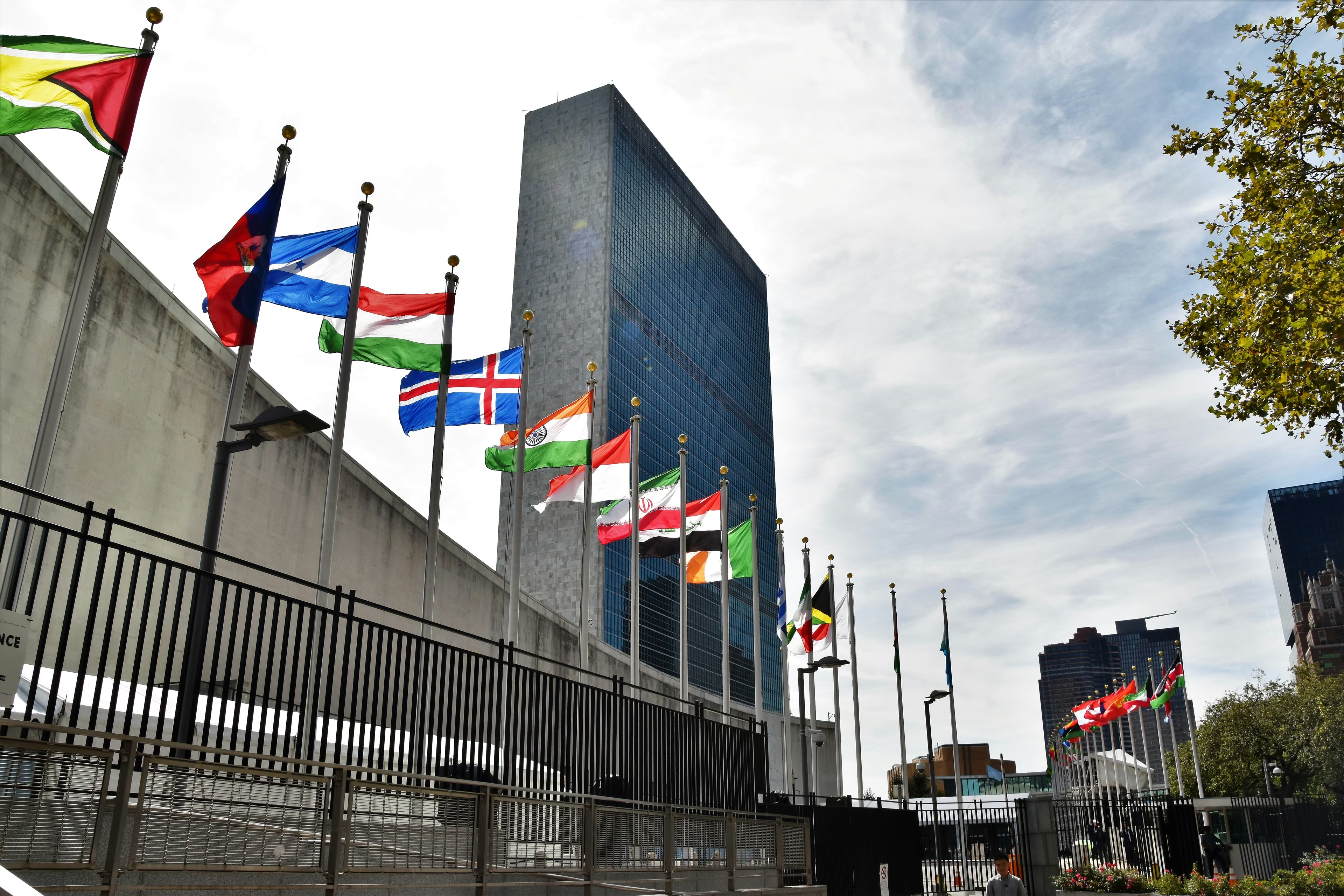
Speaking at UN Headquarters on October 22, a day after presenting his annual report to the General Assembly’s Third Committee, Saul said about 15 countries had designated about 39 groups as terrorist organizations. He placed that trend within a wider regional campaign against narco-terrorism, including the Shield of the Americas initiative.
Saul argued that governments should distinguish profit-driven organized crime from politically or ideologically motivated terrorism. He drew on the UN Convention against Transnational Organized Crime and the General Assembly’s 1994 declaration on terrorism, while acknowledging that no universally accepted comprehensive definition of terrorism exists. Links between criminal and terrorist organizations, he said, do not justify treating the two categories as interchangeable.
The U.S. maritime strikes were central to his criticism. Saul cited at least 239 people killed in 71 attacks since September 2025, figures he presented at the October 22 briefing. He characterized the strikes as unlawful executions and alleged that they amounted to crimes against humanity. These were Saul’s allegations and legal assessment, rather than findings by a court. Special rapporteurs are independent experts appointed by the Human Rights Council and serve in their individual capacities.
Asked whether senior U.S. officials bore personal criminal responsibility, Saul said responsibility would depend on the facts and evidence. He argued that the United States had an obligation to investigate credible allegations and determine who was responsible for ordering and carrying out the strikes.
He also discussed possible proceedings outside the United States, where jurisdiction and official immunity would affect the available options. Under the Rome Statute, relevant links for International Criminal Court jurisdiction include where the alleged conduct occurred, the state of registration of a vessel or aircraft, and the accused person’s nationality. The treaty also provides for qualifying state acceptance of jurisdiction and Security Council referrals. A victim’s nationality alone does not establish ICC jurisdiction.
Saul said he had repeatedly sought engagement with U.S. officials, including requesting a meeting with the U.S. ambassador to the UN. He described cooperation as limited, while acknowledging that the United States had responded in some multilateral forums.
In a statement issued later on October 22, U.S. Ambassador Mike Waltz rejected Saul’s criticism and defended the administration’s campaign against drug cartels. Waltz described the operations as a response to the violence and harm caused by groups the United States designates as terrorist organizations.
Saul’s recommendations focused on stronger criminal-justice measures and prevention. He urged governments to improve law-enforcement cooperation, intelligence sharing, financial investigations, and forensic and digital capabilities. He also called for action against illicit weapons flows and greater attention to drug prevention, treatment, public health and harm reduction.
Combining militarized drug enforcement with counterterrorism powers, Saul argued, risks repeating the failures of both approaches. He urged states to address organized crime through measures that protect human rights while reducing criminal groups’ resources and influence.