FREE. FAIR. GLOBAL.
Time Cannot Be Renewed: UN Pushes for Historic Rights Convention as Global Population Ages
Delegates in Geneva discussed state obligations, autonomy and digital exclusion as work continued on a universal convention on the human rights of older persons.
Reporting by Mayah Ramadan; edited by GLOBAL.
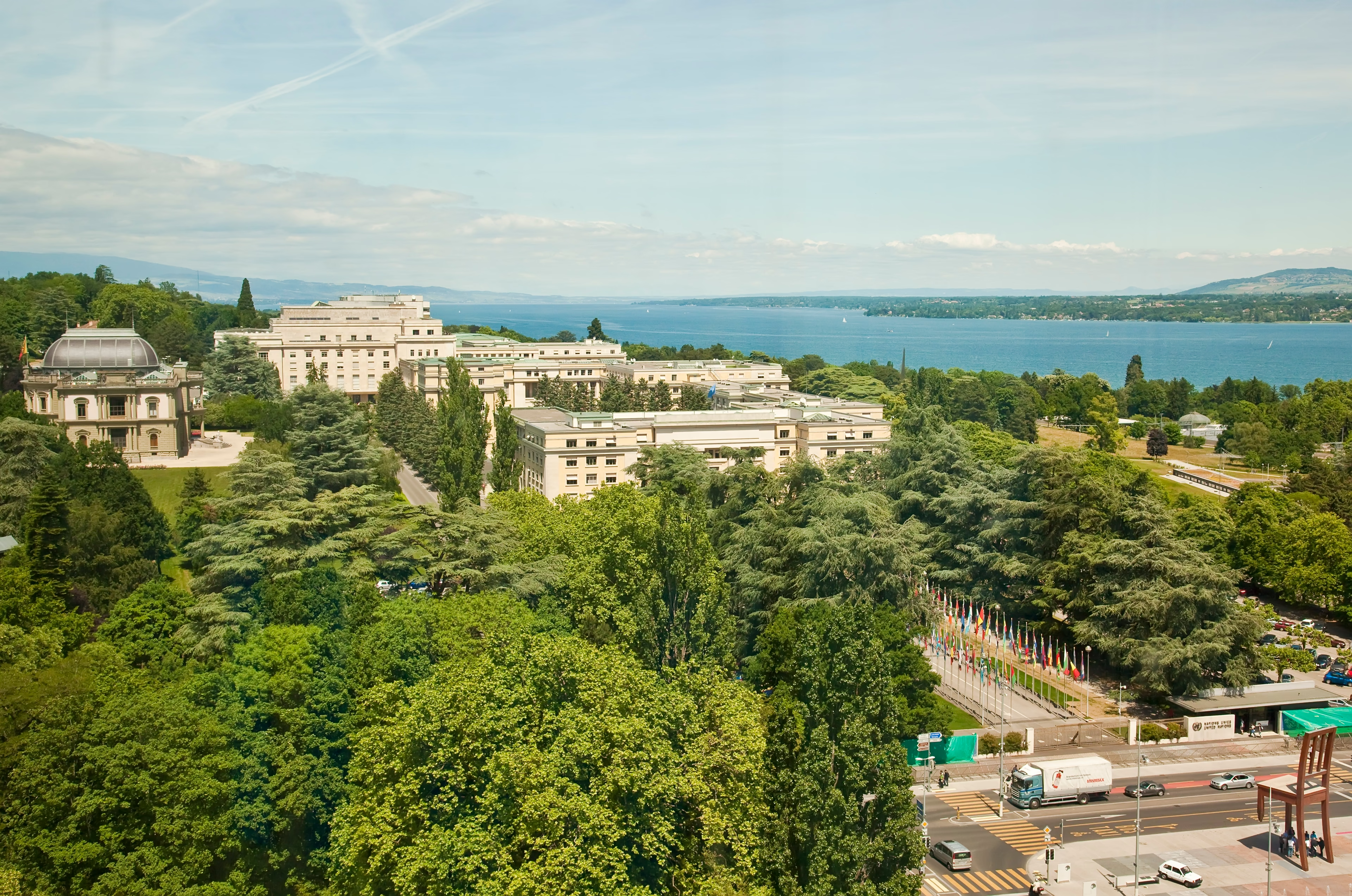

Reporting date: October 28, 2026, fifth meeting of the IGWG’s second session in Geneva
Lightly edited by GLOBAL. from Mayah Ramadan’s submitted report. Statements were checked against the UN-hosted automated transcript, which is not an official UN record. Mahler’s former mandate-holder status was checked against a contemporaneous account of the session. This report covers the October 28 meeting.
“For us, this negotiation is measured in meetings ... but for millions of older persons, it is measured in the time they have left,” said the chair-rapporteur of the Intergovernmental Working Group on the Human Rights of Older Persons (IGWG). It was a direct warning that diplomatic delays carry real-life consequences beyond the negotiating room.
At the group’s October 28 meeting in Geneva, delegates resumed discussions on the state obligations that could form the foundation of a future legally binding international instrument dedicated to protecting the human rights of older persons. The chair said diplomacy had a tendency to find agreeable words, only to shy away from commitment when it came to putting principles into practice. His central message was that older persons do not have time to wait for the eventual implementation of promises made in committee. They need solutions that can be applied across a variety of legal systems.
These remarks came amid efforts to develop a universal legally binding convention specifically dedicated to protecting older persons. The chair stressed that the committee was not operating in a vacuum: existing international obligations and experience must be taken into account to achieve a treaty that respects diversity and provides tangible protections.
Claudia Mahler, a former United Nations Independent Expert on the enjoyment of all human rights by older persons, argued that existing international human rights frameworks do not provide sufficiently specific guidance to address the realities older people face. Drawing on six years of country missions, Mahler emphasized that ageism fuels discrimination and can diminish older persons’ opportunities and quality of life.
A central demand is a shift away from treating older people primarily as recipients of welfare or care and toward recognizing them as rights holders. Under this approach, governments would have clearer obligations to prevent discrimination, protect autonomy and ensure that older persons can seek remedies when their rights are violated. These proposals could have major implications for housing and institutional care. Mahler called for replacing practices such as forced institutionalization with systems that support individuals in maintaining the right to choose.
Digital exclusion was also listed as a major concern. As public services increasingly move online, older people who lack access to equipment or digital skills risk losing access to essential information and services. Uruguay and Austria highlighted the need to address technological barriers, while other delegations called for accessible complaint procedures and effective legal remedies.
Mexico and Portugal both emphasized that family and community support cannot replace the government’s responsibility to protect individual rights and autonomy.
Negotiators face the task of turning verbal agreements and declarations into practical enforcement. For a convention to deliver meaningful protections, it would require more than shared principles: laws, oversight, resources and tangible commitment would be needed.
As the working group continues its deliberations, the test will be whether governments can turn consensus into commitments that actively improve the lives of older persons before it is too late. The chair’s warning offers a measure of urgency: while negotiations can continue for years, the people they are intended to protect cannot renew the time they have left.
Sources
- UN-hosted automated transcript — fifth meeting, second session, October 28, 2026; not an official record
- UN Web TV — fifth meeting, second session of the IGWG on Older Persons, October 28, 2026
- OHCHR — second session of the Intergovernmental Working Group, October 26–30, 2026
- GANHRI — second-session account and Claudia Mahler’s former mandate-holder status