FREE. FAIR. GLOBAL.
AI and Quantum Risks Shape Council Debate on Maritime Security
A Security Council debate examined artificial intelligence, emerging maritime technologies and competing approaches to human oversight and governance.
Reporting by Katherine Knisely; edited by GLOBAL.
Reporting cutoff: October 29, 2026 Security Council debate in New York
Edited by GLOBAL. from Katherine Knisely’s submitted article, focusing on technology and governance. Statements were checked against the UN-hosted automated transcript and published speaker information. The automated transcript is not an official UN record. Technical warnings and policy positions are attributed to speakers.
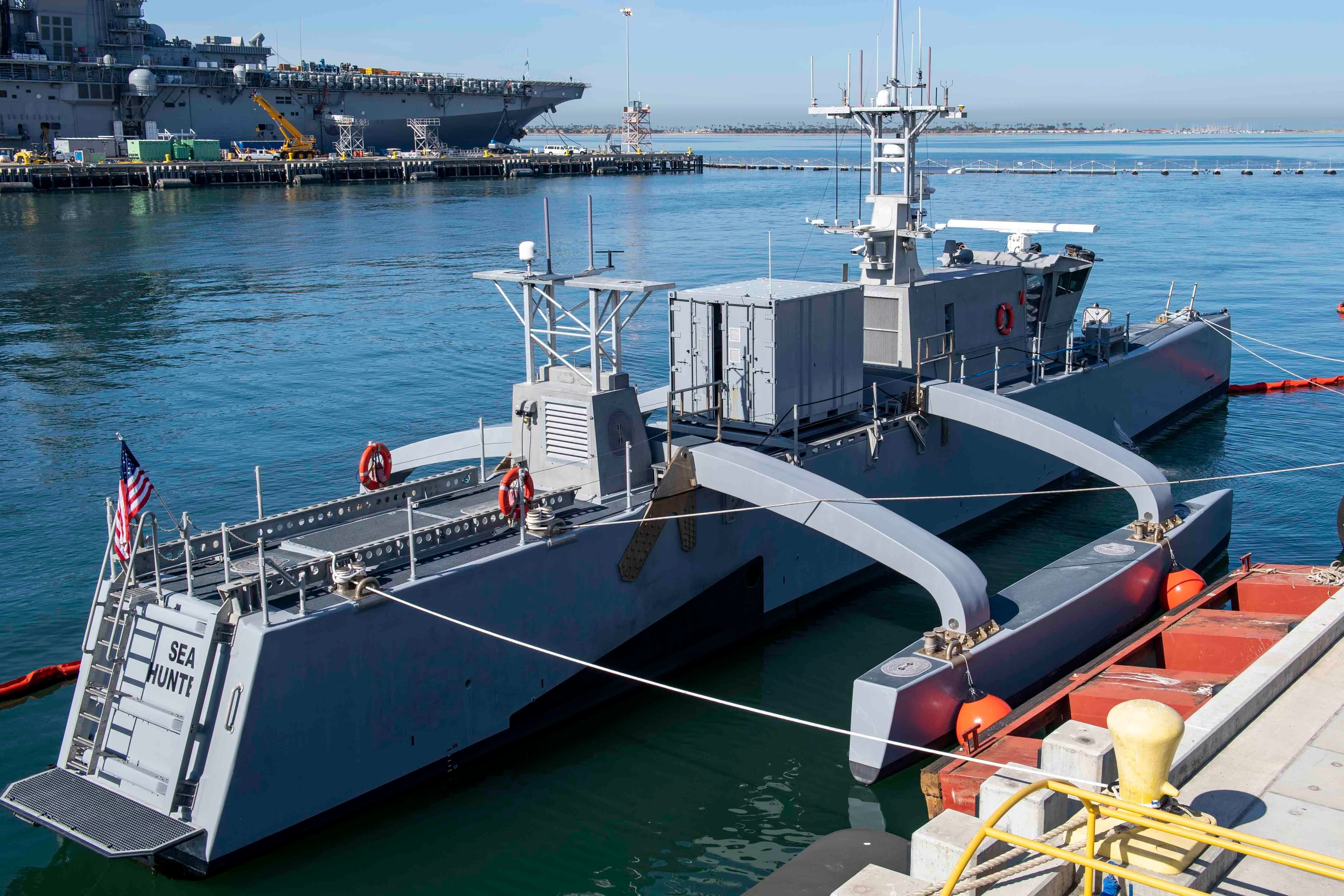
A UN Security Council debate on emerging technologies and maritime security on 29 October featured a video briefing by journalist and writer Fareed Zakaria, who described how technology is transforming naval operations. Maritime power, long measured in warships and missiles, is shifting toward algorithms and data, he argued. He described AI systems that can flag vessels switching off tracking transponders and identify unusual activity, while onboard edge computing allows ships to process information without a satellite link. However, he warned that AI models depend heavily on data integrity and remain vulnerable to adversaries targeting both algorithms and their underlying data. He concluded that political will remains essential to implement maritime security tools effectively.
Colombia’s representative urged the Council to look beyond contemporary AI systems to quantum computing, communication and sensing. The representative warned of potential risks to vessel communications, navigation and mapping, particularly for states without access to those technologies. These were warnings about potential capabilities, rather than independently established findings about operational systems. Colombia reiterated that it is not a party to the United Nations Convention on the Law of the Sea (UNCLOS), while affirming its respect for international maritime law, and urged the Council to address the risks of unsupervised technological development.
Delegations were also divided over governance and oversight. The United States emphasized the risks of technologies falling into the wrong hands and supported shipping standards that do not unnecessarily restrict innovation. Colombia argued that risks also arise from the design of technology. China called for a balance between development and security. Russia maintained that specialized UN bodies, rather than the Security Council, should handle the relevant technology-governance questions and opposed additional preventive restrictions on military AI. Denmark, Liberia, Switzerland and the Nordic countries emphasized human oversight and accountability, alongside international cooperation and existing legal obligations.