FREE. FAIR. GLOBAL.
How can we repair the wounds of a racist past while continuing to cause harm?
UN experts connect reparatory justice to migration policies and racial disparities in law enforcement.
Mayah Ramadan
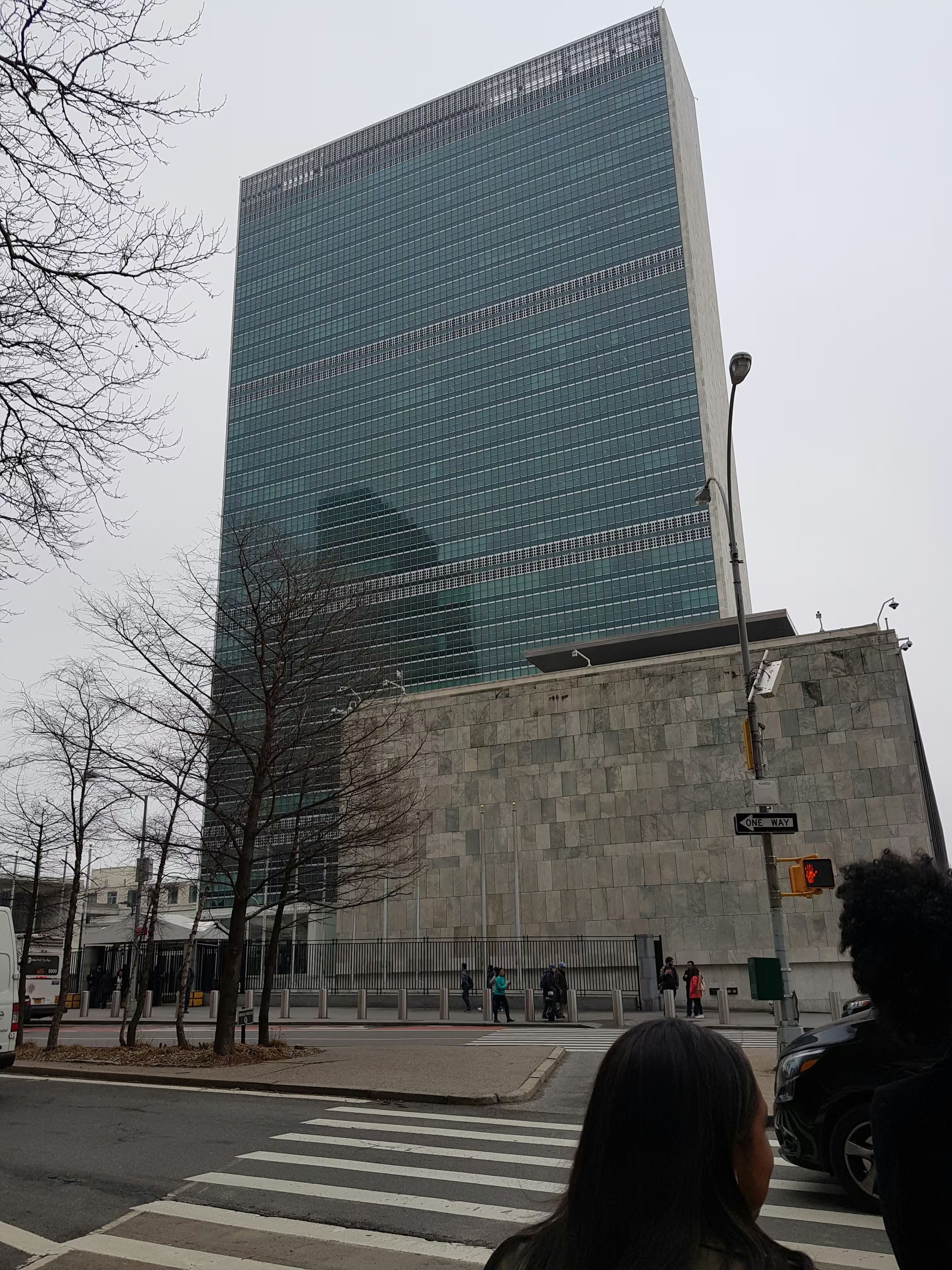

UN experts connect reparatory justice to migration policies and racial disparities in law enforcement.
At the Third Committee's 39th meeting during the 81st session of the UN General Assembly, on Wednesday, November 4, 2026, experts discussed racial justice, discrimination against people of African descent and migration policies. A central emphasis was how historical injustices, particularly slavery and colonialism, continue to shape modern discrimination. The speakers urged governments to move beyond acknowledging historical injustice and implement policies addressing its continuing consequences. 1
Isabelle Mamadou, chair of the Working Group of Experts on People of African Descent, connected reparatory justice to present-day migration policies. Her group's report, Crossings and Journeys, examines the racialization of migration and the enduring influence of racial hierarchies on border management. It concludes that migration governance often falls short of human-rights standards and calls for rights-based frameworks protecting Africans and people of African descent in countries of origin, transit and destination. 2
In her presentation, Mamadou argued that closing safe migration pathways pushes people towards more dangerous routes and that externalizing border controls shifts risks and responsibilities elsewhere. She called for access to healthcare, education, labour protection and justice without fear of detention or deportation, alongside independent oversight of border-surveillance technologies and remedies for racial discrimination. Her argument was that repairing past injustices requires confronting their continuing consequences at borders. 1
Dr. Tracie Keesee, acting chair of the International Independent Expert Mechanism to Advance Racial Justice and Equality in Law Enforcement, discussed the relationship between drug enforcement and systemic racism. The mechanism's report examines how colonial legacies, the racialization of drugs and militarized approaches shape enforcement. It also considers how race intersects with gender and other grounds of discrimination, and identifies approaches intended to advance more equitable drug policies. 3, 4
Keesee described disparities across police stops, searches, arrests, sentencing and detention, with young people of African descent particularly affected by overpolicing and excessive force. The recommendations she presented included decriminalizing possession for personal use, public-health responses and alternatives to detention, stronger oversight, and disaggregated data to identify racial disparities. These were expert findings and recommendations, not a new law or decision adopted by the Committee. 1
The discussion returned to the question at the heart of reparatory justice: how can governments address historical harm while allowing its consequences to continue? The experts' answer joined acknowledgment of the past to changes in the institutions and policies affecting people's lives today. 1, 2, 3