FREE. FAIR. GLOBAL.
Ahead of December Elections, Security Council Members Urge Mobile Peacekeeping and Climate Action in South Sudan
Members of the UN Security Council on Tuesday proposed a more mobile UN peacekeeping force, unrestricted humanitarian access, and early action against floods and droughts. South Sudan’s planned December 22 elections, they warned, could risk pushing the country back into large-scale violence.
Katherine Knisely
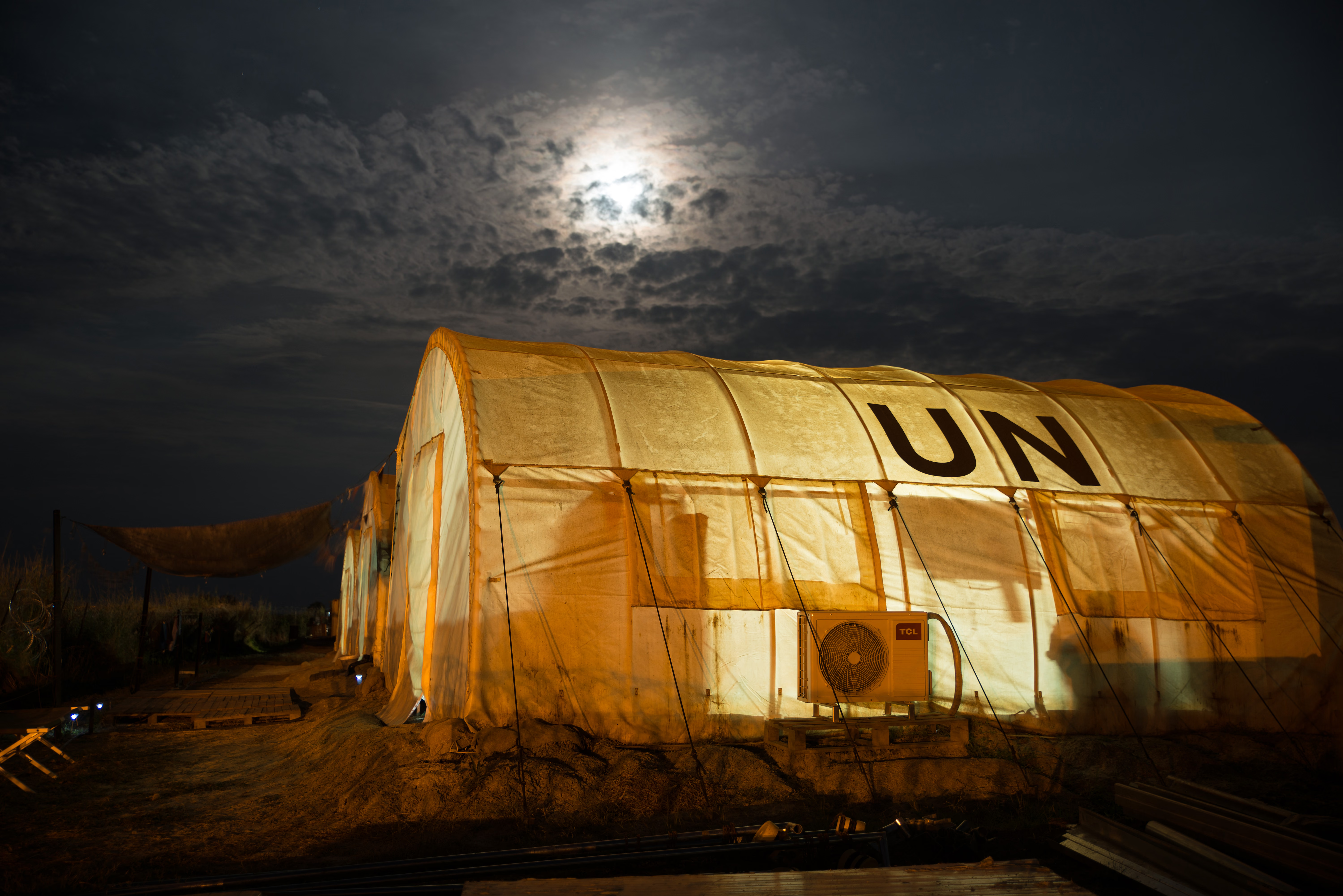

Meeting date: November 10, 2026
Members of the UN Security Council on Tuesday proposed a more mobile UN peacekeeping force, unrestricted humanitarian access, and early action against floods and droughts. South Sudan’s planned December 22 elections, they warned, could risk pushing the country back into large-scale violence.
Members of the UN Security Council on Tuesday proposed a more mobile UN peacekeeping force, unrestricted humanitarian access, and early action against floods and droughts. South Sudan’s planned December 22 elections, they warned, could risk pushing the country back into large-scale violence.
Anita Kiki Gbeho, head of UNMISS, briefed the council, noting a decline in direct armed clashes between the main peace deal signatories. Despite this, the number of people killed, injured, and displaced this year has increased, with intercommunal violence accounting for over 60 percent of reported civilian casualties. Illustrating this surge, violent clashes last month in Rumbek and Greater Tonj resulted in more than 140 deaths.
In response, UNMISS has restructured its operations and redeployed troops toward active patrolling. Force protection for aid operations has also been doubled, allowing assistance to reach over 321,000 people. However, constraints on humanitarian access have risen 38 percent over the past year, severely impeding protection capacity.
Murithi Mutiga of the International Crisis Group recommended that UNMISS establish mobile temporary operating bases and increase patrols along conflict flashpoints and relief supply lines to improve early warning, protect food convoys, and deter militia activity. Rushing the elections, he stressed, could deliver a “decisive final blow” to the 2018 peace agreement.
Addressing obstacles facing the mission, many council members blamed the South Sudanese government and demanded an immediate end to restrictions. The United States asserted UNMISS’s right to carry out its mandate free from government interference, framing the access restrictions as a deliberate strategy. Other members called for increased resources to match the mission's mandate, with France supporting troop deployments up to the authorized ceiling. Latvia, speaking in its national capacity while holding the council presidency, supported using technology for early warning while cautioning that digital tools cannot replace boots on the ground.
Climate pressures also featured prominently in the debate following Mutiga’s report that 95 percent of the population is vulnerable to environmental shocks and 4 million people were affected by drought this year. Speaking on behalf of the African members of the council (A3), Liberia urged anticipatory action against climate disasters and predictable donor financing, noting that the Humanitarian Response Plan remains only 38.1 percent funded. Panama called for climate resilience measures to be baked directly into conflict prevention, while the Crisis Group asked the council to support the mission’s existing climate security mandate.
African Union High Representative Jakaya Kikwete appealed for urgent election funding, highlighting that as of June, the electoral commission had received only $21 million of its requested $276 million budget. He noted that some funding had since arrived. South Africa stated it is arranging to provide technical expertise and election materials at Juba’s request, having already hosted South Sudanese electoral officials to observe its own local elections.
Responding to allegations of UNMISS obstruction, South Sudan’s representative rejected the claims outright, stating that restrictions were not official government policy. The representative argued for proceeding with the December 22 elections, warning that further delays would indefinitely prolong transitional governance. Supporting Juba’s stance, Russia cautioned council members against drawing hasty conclusions about South Sudan's electoral readiness.
The meeting was followed by closed consultations on the matter.