FREE. FAIR. GLOBAL.
UN Assembly selects oversight nominees as Western Sahara debate remains unfinished
Poland edges Russia by one vote in an advisory ballot, while delegations divide over the future of Western Sahara after MINURSO’s mandate expires
Austin Wallace
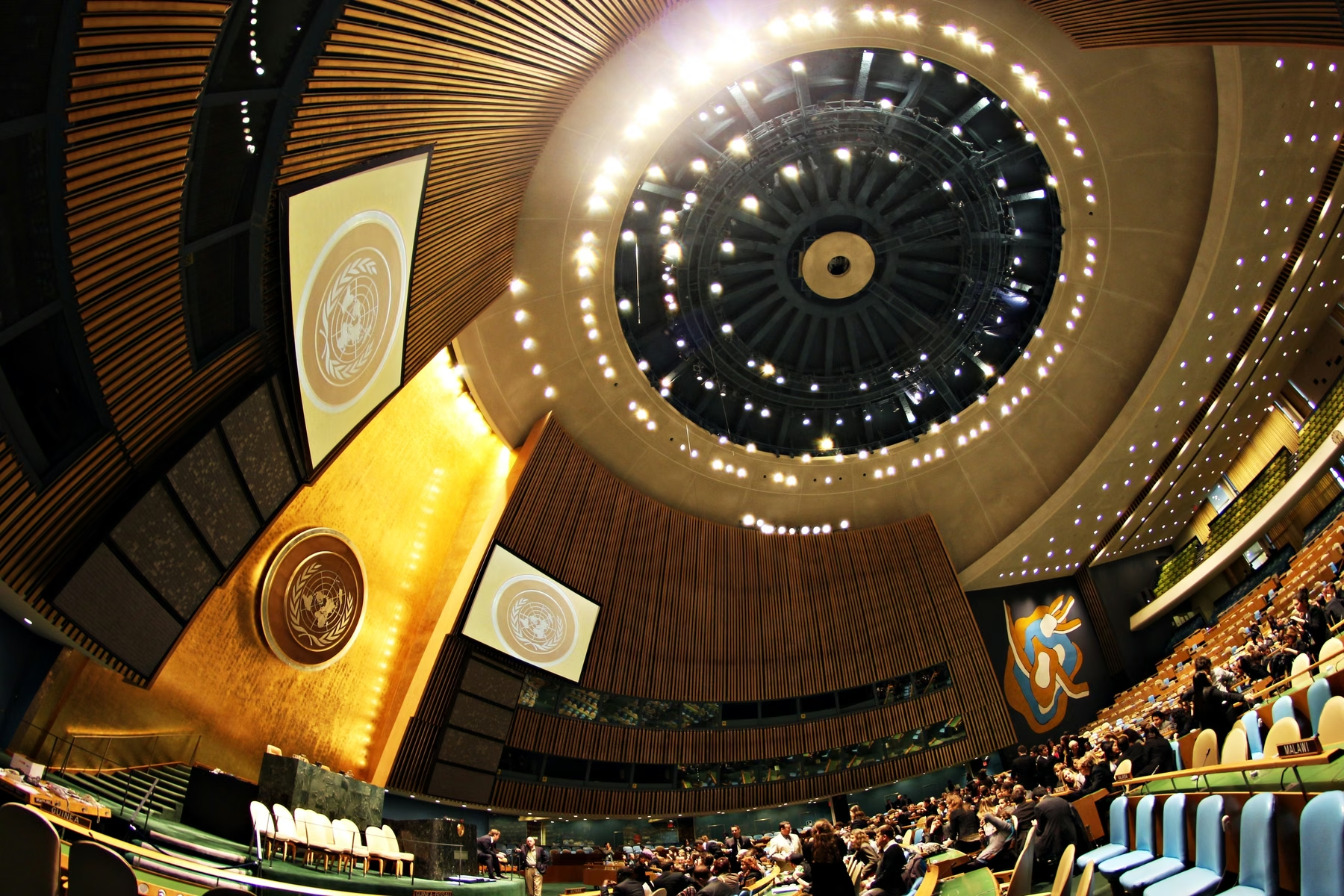

Meeting date: November 11, 2026
Poland edges Russia by one vote in an advisory ballot, while delegations divide over the future of Western Sahara after MINURSO’s mandate expires
UNITED NATIONS, November 11, 2026 — The UN General Assembly selected four countries to nominate candidates for its Joint Inspection Unit on Wednesday, including Poland by a single vote over Russia, and elected 19 members of its programme-planning committee while leaving its debate on the Western Sahara veto unfinished.
Botswana, China, Japan and Poland were selected in secret advisory ballots at the Assembly’s 40th plenary meeting. Antigua and Barbuda, the sole country put forward by the Latin American and Caribbean group, will also be asked to propose a candidate.
The decisions did not appoint individual inspectors. The selected countries must submit candidates and their qualifications, followed by consultations and a later appointment decision by the Assembly.
Botswana received 113 votes to Egypt’s 72 for the African nomination. In the Asia-Pacific group, Japan received 114 votes and China 103, ahead of Iraq with 80 and Yemen with 76. Poland secured the Eastern European nomination with 95 votes against Russia’s 94, reaching the required majority exactly.
Nineteen countries elected to programme committee
The Assembly also proceeded to a secret ballot for the Committee for Programme and Coordination, after a dispute over the treatment of regional nominations. Israel requested voting on all candidates after objecting to a request for a ballot involving its own candidacy.
Nineteen countries were elected for three-year terms beginning January 1, 2027: Albania, Argentina, Cameroon, Djibouti, Germany, Guinea, India, Iran, Israel, Japan, Mexico, Pakistan, the Republic of Moldova, Romania, Saint Kitts and Nevis, South Africa, the United Kingdom, the United States and Uruguay.
Israel received 126 votes, above the required majority of 88 in its regional group. Germany received 169, the United Kingdom 166 and the United States 162. One Western European and other states seat remained vacant.
The committee serves the General Assembly and the Economic and Social Council on planning, programming and coordination. Its work includes reviewing UN programme plans and making recommendations to its parent bodies.
Western Sahara divisions persist
The Western Sahara debate continued while the earlier ballots were counted. Delegations disagreed over Morocco’s autonomy proposal and the meaning of Sahrawi self-determination, but several stressed that the end of a peacekeeping mandate did not end the UN’s responsibility to pursue a political settlement.
Liberia defended its support for the US-sponsored Security Council draft and for the Moroccan autonomy initiative. It urged continued diplomacy, humanitarian assistance and protection for refugees, warning against allowing a change in the UN presence to become a retreat from international engagement.
Angola and Zimbabwe emphasized the Sahrawi people’s right to determine their political future. Angola called for renewed UN engagement in cooperation with the African Union and warned against a security vacuum. Cuba rejected treating a unilateral autonomy proposal as the sole framework for negotiations.
Panama, which supported the failed US draft in the Security Council, said the mission’s closure did not settle the conflict or determine the territory’s final status. Mexico urged continued attention to ceasefire monitoring, humanitarian assistance and the safety of personnel during withdrawal. It also requested recommendations from the Assembly presidency on possible follow-up measures.
Togo, Japan, Senegal, Djibouti, Guinea, Qatar and the United Arab Emirates were among the speakers supporting Morocco’s autonomy proposal in differing terms. These national statements did not amount to an Assembly resolution endorsing the proposal.
After Qatar’s statement, the chair announced that the remaining speakers would be heard at a later date to be announced. No substantive resolution on Western Sahara was adopted during this portion of the debate.
Accountability after the veto
The discussion followed Russia’s October 30 veto of a US-sponsored Security Council draft that would have extended MINURSO’s mandate. That text received 11 votes in favour, one against and three abstentions. A Russian alternative received three votes in favour, one against and eleven abstentions and also failed. Security Council Report
MINURSO’s mandate expired on October 31. The Assembly opened its examination of the veto on November 10 under the veto-accountability initiative established by resolution 76/262. UN coverage of the opening debate
Wednesday’s proceedings produced concrete decisions on UN committee membership and the next stage of oversight appointments. On Western Sahara, they exposed continuing differences over a settlement and the consequences of the mission’s withdrawal, without producing an agreed political outcome.
Sources
- UN Web TV: 40th plenary meeting, 81st session, November 11, 2026; automatically generated transcript, not an official verbatim record
- UN coverage: opening of the Western Sahara veto debate, November 10, 2026
- Security Council Report: Western Sahara mandate vote
- Committee for Programme and Coordination: functions
- Joint Inspection Unit statute