FREE. FAIR. GLOBAL.
UN committee backs digital privacy protections amid divisions over regulation
Children’s personal data, artificial intelligence and cross-border data collection shape a debate over how governments should protect privacy online.
Austin Wallace
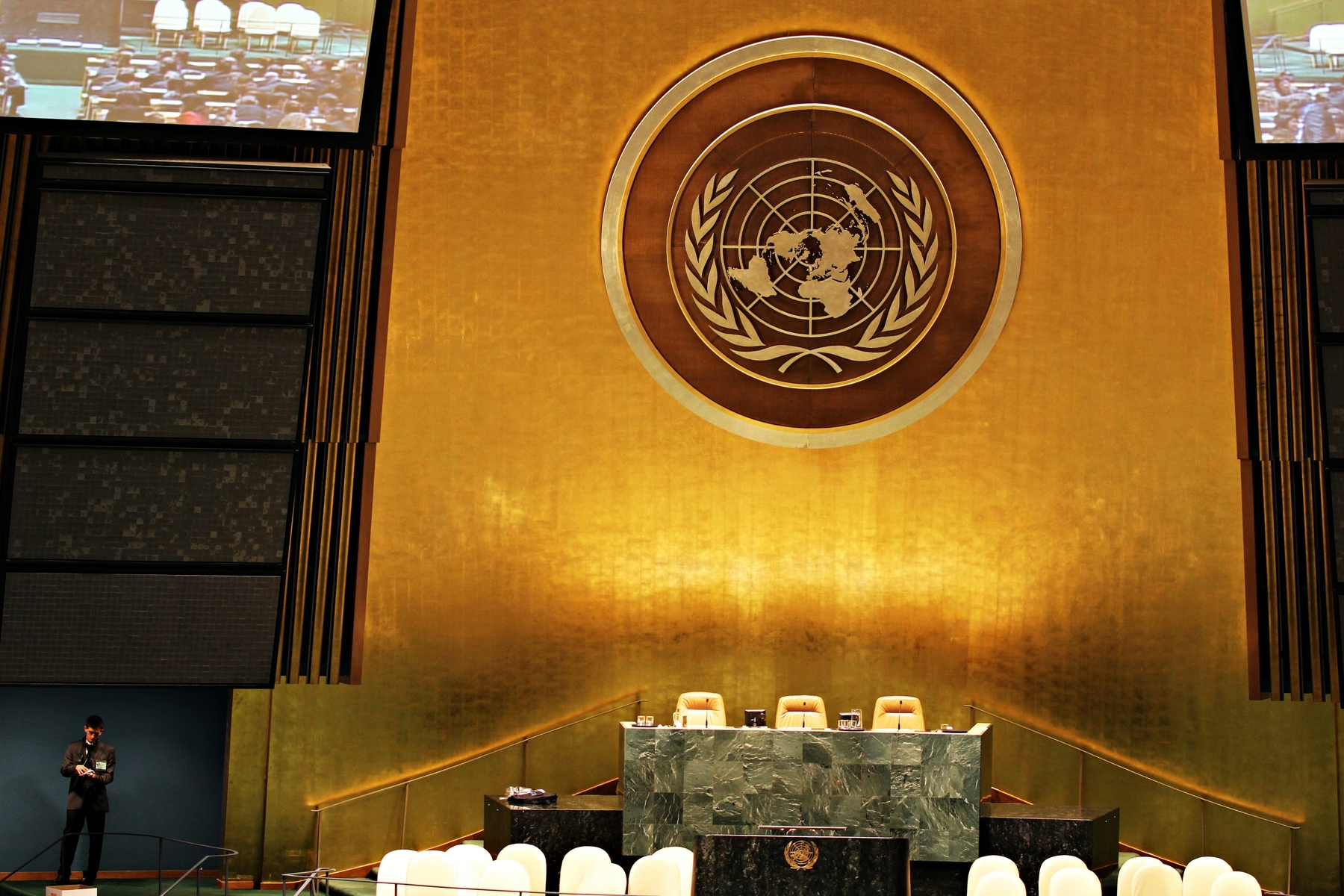

Meeting date: November 10, 2026
Children’s personal data, artificial intelligence and cross-border data collection shape a debate over how governments should protect privacy online.
UNITED NATIONS — The General Assembly’s Third Committee approved a draft resolution on privacy in the digital age on Tuesday, November 10, following a debate over children’s personal data, emerging technologies and the reach of national data-protection rules.
The text, introduced by Germany on behalf of Germany and Brazil, received support from a broad majority after the United States requested a recorded vote. Washington argued that parts of the draft could undermine freedom of expression and private-sector innovation, while its supporters called for stronger safeguards as technology expands the collection and use of personal information.
The committee’s approval advances the draft within the General Assembly process. It does not itself enact a global data-protection law.
Children’s data and the reach of privacy rules
Introducing draft L.45, Germany highlighted new language on the protection of children’s privacy and personal data, alongside challenges posed by increasingly capable technologies such as artificial intelligence.
The debate also addressed a problem that crosses national borders: personal information collected from people in one country by entities based elsewhere. Germany said national data-protection frameworks should account for that collection.
Brazil presented privacy as both an individual right and an issue of equity in the digital economy. Its representative pointed to children’s information being collected and commercialized, and argued that governments need the capacity to regulate the processing of personal data within their jurisdictions.
For Brazil, that capacity is closely connected to development. The delegation argued that protecting privacy requires international cooperation and support for countries seeking greater control over how digital technologies affect their populations.
El Salvador also supported the text, highlighting stronger data-protection frameworks and individuals’ ability to access their information and request correction or deletion where appropriate.
US objections and reservations among supporters
The United States said its opposition was not a rejection of privacy. It welcomed provisions on encryption and anonymity, but argued that vague references to misinformation, disinformation and hate speech could enable censorship.
Washington also objected to broadly framed requirements for online platforms and to approaches it considered a move toward centralized global governance of emerging technologies. These were the delegation’s stated objections, rather than findings that the draft would necessarily have those effects.
Ireland, speaking for the European Union, supported the resolution. Brazil regretted the decision to call a vote.
Support did not mean agreement on every provision. Russia backed the initiative while distancing itself from language concerning repressive activities and other passages. Iran said its affirmative vote did not signify acceptance of new legal obligations and maintained reservations concerning language it considered incompatible with its laws and cultural or religious values.
The Holy See, an observer, welcomed attention to artificial intelligence and the need for safeguards and human oversight. It nevertheless objected to language concerning children’s consent, emphasizing parents’ role in guiding children in the exercise of their rights.
Further action on human rights and trafficking
The afternoon session also considered drafts on extreme poverty, missing persons, ombudsman and mediator institutions, alternative development, and trafficking for organ removal.
Introducing the extreme-poverty text, Peru described poverty and social exclusion as threats to human dignity and the enjoyment of human rights.
Spain, presenting an organ-trafficking draft on behalf of Spain and Guatemala, emphasized ethical donation, transparency, equitable access and assistance for victims. The United States expressed support for practical enforcement measures against trafficking and said victims should not be punished.
Across the session, delegations repeatedly distinguished support for a resolution’s objectives from acceptance of every formulation within it. The privacy debate illustrated that tension: agreement on the importance of protecting personal information coexisted with sharp differences over regulation, expression and national authority.