FREE. FAIR. GLOBAL.
Gulf shipping crisis exposes Security Council divide over Iran and Houthis
A Security Council debate on Iran, the Houthis and the region’s threatened shipping routes exposed a familiar divide over responsibility, while drawing renewed calls for diplomacy and protection of civilian trade.
Katherine Knisely
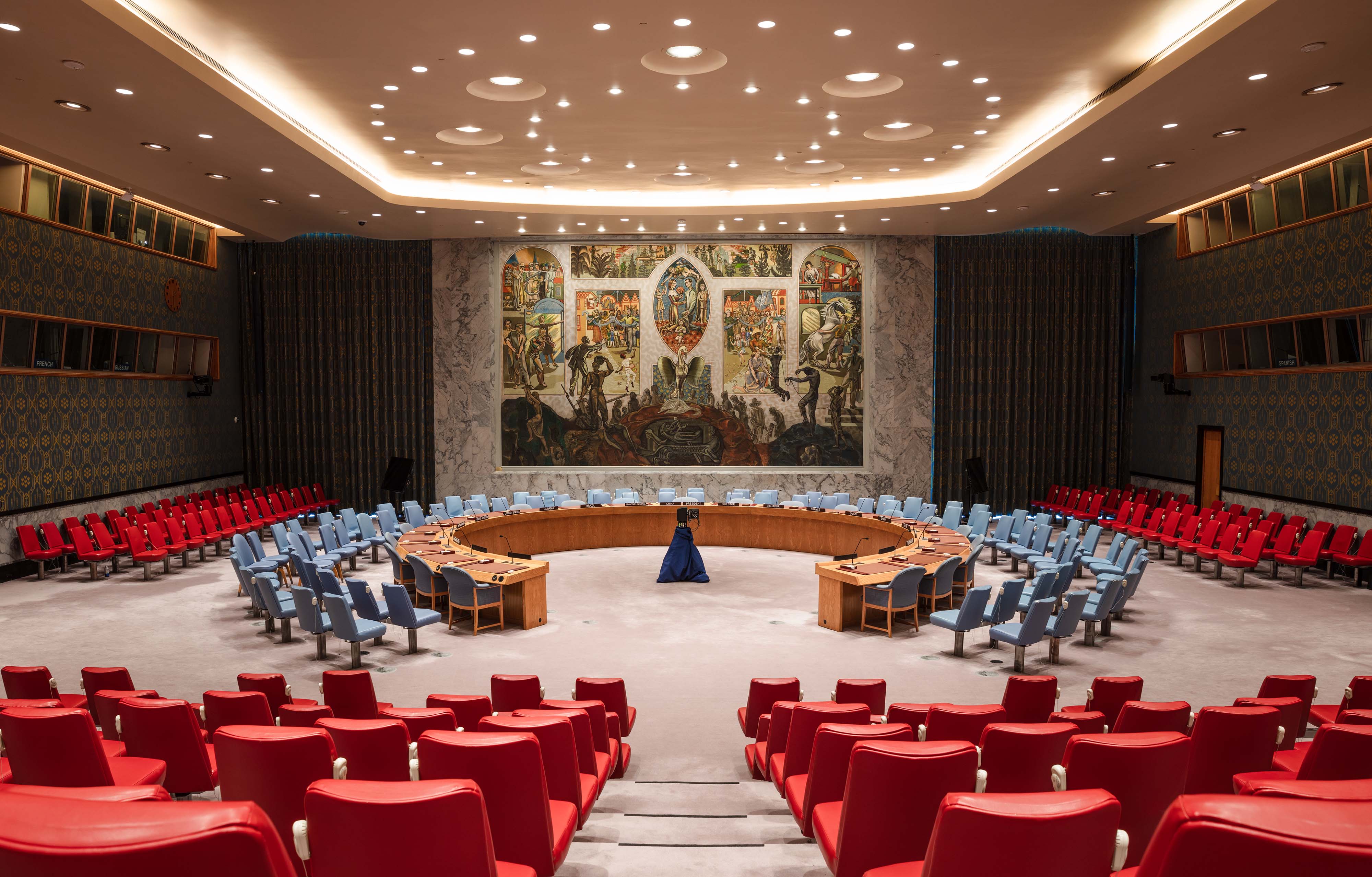

Meeting date: November 13, 2026
A Security Council debate on Iran, the Houthis and the region’s threatened shipping routes exposed a familiar divide over responsibility, while drawing renewed calls for diplomacy and protection of civilian trade.
A Security Council debate on Iran, the Houthis and the region’s threatened shipping routes exposed a familiar divide over responsibility, while drawing renewed calls for diplomacy and protection of civilian trade.
At the 13 November meeting, UN Assistant Secretary-General Khaled Khiari warned that tensions around the Strait of Hormuz and Bab al-Mandab threatened regional stability and the global economy. Citing the International Maritime Organization, he reported 134 confirmed maritime incidents in the Strait of Hormuz and wider Middle East as of 11 November, with 25 seafarers killed.
Khiari distinguished the situation in the Red Sea, where he said there had been no recent reports of attacks on commercial vessels, from continuing clashes around Bab al-Mandab and Houthi cross-border attacks on Saudi Arabia. He warned that disrupted shipping was raising energy, transport and insurance costs and threatening food security by constraining fertilizer supplies.
Gulf states demand accountability
According to Katherine Knisely’s meeting notes, Gulf Cooperation Council Secretary-General Jasem Mohamed Albudaiwi and Bahrain called for stronger follow-through on Security Council resolution 2817. They accused Iran of attacks on Gulf states and demanded accountability, while rejecting Tehran’s justification that it was acting in self-defence.
Bahrain argued that Gulf states must participate in any agreement affecting their security. The United States backed Gulf partners and accused Iran and the Houthis of threatening shipping and civilian infrastructure. Several other delegations condemned attacks on Saudi Arabia and restrictions on maritime navigation.
The debate also addressed Yemen’s humanitarian emergency. Katherine’s notes record concern about fighting and displacement, the siege of Taiz, and the detention of UN and humanitarian personnel by the Houthis. Those issues connected the maritime-security debate to the consequences for civilians on land.
Disagreement over the conflict’s origins
Iran rejected the accusations and described its actions as self-defence against the United States and Israel, according to the notes. It blamed insecurity in Hormuz on the war and the US blockade of Iranian ports. Bahrain disputed that defence and said attacks on other states’ civilians could not be justified under the UN Charter.
Russia, meanwhile, identified US and Israeli military action as the origin of the crisis, while also saying attacks on civilians were unacceptable. China urged an end to the conflict and renewed diplomacy. These were competing positions expressed by delegations, not findings reached by the Council.
The distinction matters: a meeting can reveal substantial agreement on the need to protect shipping without producing agreement on responsibility or the steps needed to restore security.
Diplomacy remains the common ground
Khiari welcomed renewed diplomatic activity in Doha and pointed to the June US–Iran Islamabad memorandum as evidence that negotiations could produce results. He urged the parties to pursue a durable settlement.
Katherine’s notes also record support across differing political positions for mediation, including efforts by Qatar, Pakistan and Oman, and calls to include Gulf states in discussions about their security.
For the people and economies reliant on these waterways, the central question is whether diplomatic engagement can translate into safer passage. Restored energy exports alone do not settle the wider risks to seafarers, essential supplies and civilians affected by the regional conflict.