FREE. FAIR. GLOBAL.
SDG 6 and the Water Conference: Counting Promises, Measuring Progress
A GLOBAL. analysis of the 2026 UN Water Conference, SDG 6, the gap between international promises and delivery, and the hard numbers behind safe drinking water, sanitation, financing, and implementation.
GLOBAL. Staff
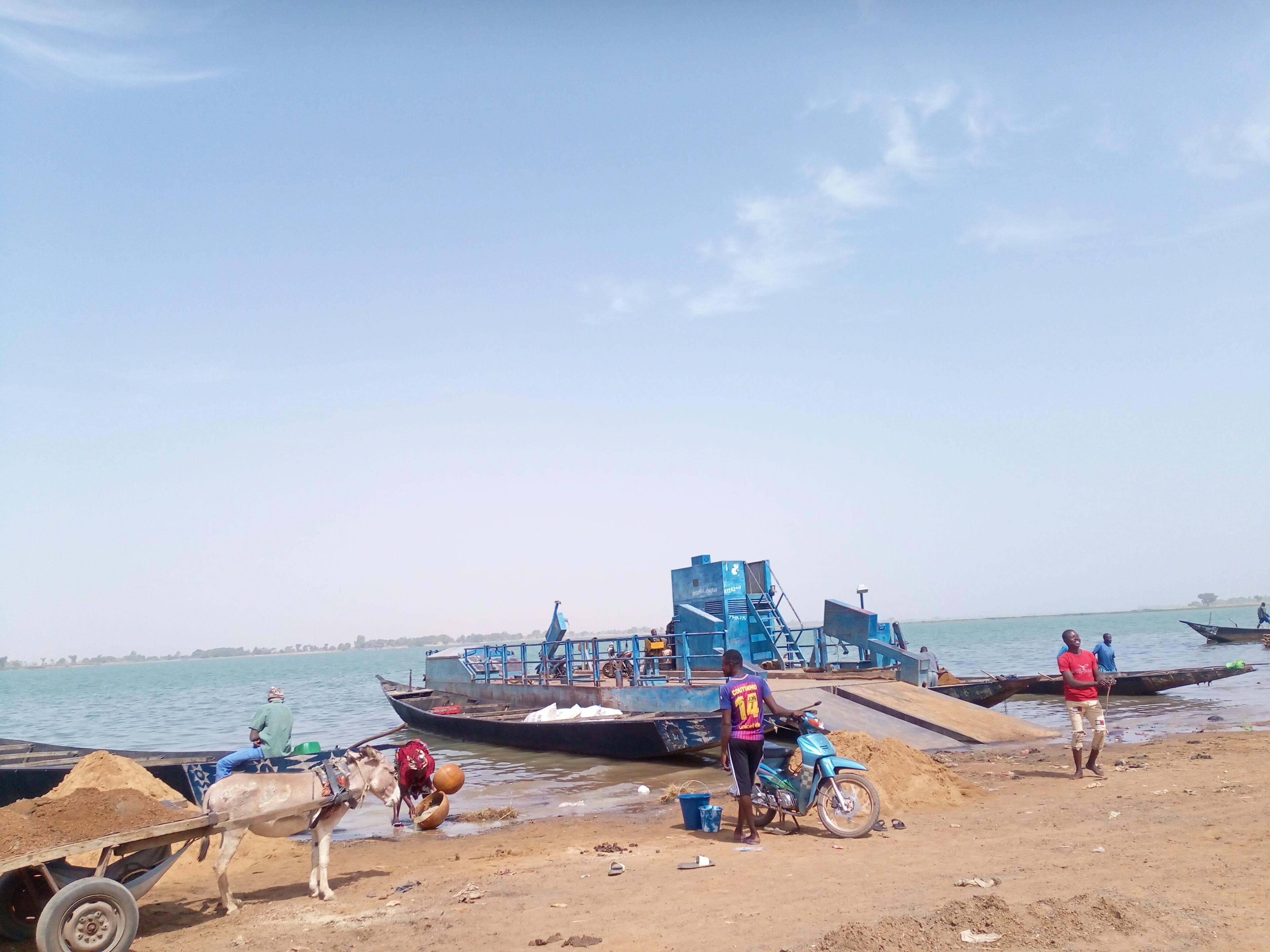

Between 2015 and 2024, the share of the world's population with access to safely managed drinking water rose from 68 percent to 74 percent. That sounds like progress, and it is. But it leaves 2.1 billion people, around one in four people globally, without safely managed drinking water and 3.4 billion without safely managed sanitation, as of 2024. Unsafe water, sanitation, and hygiene are linked to at least 1.4 million preventable deaths a year, according to the World Health Organization. Hitting the 2030 target means moving nearly eight times faster than we have for the last decade.
That's the number sitting behind the 2026 UN Water Conference, co-hosted by Senegal and the United Arab Emirates and running December 8-10 in Abu Dhabi. The question is whether anything coming out of it is built to move a number that size.
What Changed Since 2023
Before 2023, the last dedicated UN water summit was in 1977. For 46 years, water was folded into other climate and development agendas rather than getting a conference of its own. That 2023 UN Water Conference produced two concrete outputs: the first UN System-wide Strategy for Water and Sanitation, and the appointment of the UN Secretary-General's first-ever Special Envoy on Water. Neither one moves water to anyone directly, but the hope is that better coordination and a louder political voice will eventually get there.
Three years on, the 2026 conference is effectively a test of what those structures produced. The System-wide Strategy is meant to align the work of the various UN entities involved in water, so that UN-Water, WHO, UNICEF, UNEP, FAO and the rest are pulling toward the same targets rather than working in parallel. The envoy role went to Retno Marsudi, Indonesia's former foreign minister, who took up the position in November 2024. Her mandate involves raising water on national agendas, convening stakeholders, and pushing follow-through on the more than 800 voluntary commitments countries made at the 2023 conference under the Water Action Agenda.
Who Does What
Progress on SDG 6 isn't run by one agency. It's split across a set of UN entities, each with a defined lane:
- UN-Water coordinates the overall effort and produces the Country Acceleration Case Studies, profiles of national progress meant to be replicable.
- WHO and UNICEF, through the Joint Monitoring Programme, monitor and publish the data. Most clean water data comes from these reports, including the ones above.
- UNEP handles water quality and integrated water resource management, working with the Global Water Partnership and UNDP's Cap-Net.
- UNDP leads capacity development, helping countries adopt tools and coordinate their own SDG 6 work.
- UNECE and UNESCO cover transboundary water issues, including the protocol on water and health and cross-border cooperation surveys.
- UN-Habitat covers urban sanitation and waste management.
- FAO tracks agricultural water use through AQUASTAT and serves as custodian for related indicators.
Country Acceleration Case Studies
UN-Water publishes three Country Acceleration Case Studies a year, meant to document real, replicable progress. In 2023, Brazil, Ghana, and Singapore were profiled at the High-Level Political Forum. This year's selections, released in July 2026, are China, Uzbekistan, and São Tomé and Príncipe, and each was chosen for progress on a different piece of SDG 6. China's case is Zhejiang Province, where rural tap water coverage went from 87 percent to 99 percent by consolidating fragmented village systems into professionally managed county utilities. São Tomé and Príncipe, a small island state, nearly doubled urban hygiene access through community-led sanitation work and donor-funded treatment infrastructure. Uzbekistan's case is about water stress, cutting waste through smart irrigation and digitized water management in a country that withdraws far more water than it can sustainably spare.
These countries are intentionally chosen based on their different climates, different economies, and different starting points. These reports focus on different challenges, that each require tailored solutions, taking into account context and focusing on what a given community needs most urgently.
What Promises Are Worth
The Water Action Agenda now counts more than 840 voluntary commitments, the pledges that countries and organizations made at the 2023 conference and have kept registering since. A 2024 UN progress report on those commitments found that nearly 60 percent hadn't reached their own implementation midpoint, and a third were running on timelines that would take longer than five years to implement. A registered commitment can sit at "somewhat in progress" indefinitely and nothing in the system forces it further.
A 2024 World Bank analysis on global spending found that closing the shortfall for SDG targets on drinking water and sanitation would require $131.4 billion to $140.8 billion in additional spending each year. But the same report identified a separate issue: water-sector governments are not spending all the money they already have. Budget execution rates in the sector averaged 72 percent between 2009 and 2020, the report found, meaning more than a quarter of approved funding went unspent. Closing half that execution gap in drinking water and sanitation alone would cut the annual shortfall by $12.9 billion, according to the report, without a single new pledge.
Both patterns, stalled pledges and unspent budgets, fit into a larger diagnosis. Writing ahead of the conference, two officials involved in the UAE-Senegal preparatory process argued that global water governance currently produces commitments faster than it produces delivery, and that December's significance should be measured by how well it is able to transform political agreement into sustained implementation, not by how many new pledges get announced. This year's conference is structured around six themes, covering people, prosperity, the planet, cooperation, multilateral process, and investment. Success at this year's Water Conference would mean bigger and better-targeted financing, tighter coordination across the various agencies contributing toward SDG 6, closer integration between water and climate planning, and tracking mechanisms that survive past the conference itself.
The conference can produce another 800 pledges in December. Whether any of them turn into the next Zhejiang is the question that actually matters, and it's one that can only be answered by the years ahead, not the conference itself.
Sources
- Original document: Water Article
- United Nations, Water and Sanitation
- United Nations Department of Economic and Social Affairs, 2026 UN Water Conference
- United Nations Department of Economic and Social Affairs, Special Envoy on Water
- United Nations Department of Economic and Social Affairs, Water Action Agenda
- United Nations Department of Economic and Social Affairs, Water Action Agenda Mapping and Progress Report
- UNICEF, Drinking Water
- UNICEF, Progress on Household Drinking Water, Sanitation and Hygiene 2000-2024
- WHO, Water, Sanitation and Hygiene
- WHO, Water, Sanitation and Hygiene Burden of Disease
- UN-Water, UN SDG 6 Synthesis Report on Water and Sanitation 2026
- UN-Water, UN System-wide Strategy for Water and Sanitation
- UN-Water, Country Acceleration Case Study: China
- UN-Water, Country Acceleration Case Study: São Tomé and Príncipe
- UN-Water, Country Acceleration Case Study: Uzbekistan
- World Bank, High-Level Water Report
- The National, UN Water Conference: UAE and Senegal Can Help Turn Promises into Action
- UNEP, About Water
- UNDP, Water
- UNDP, Robust Actions Needed to Manage, Conserve and Protect Water and Improve Lives
- UNECE, Water
- UNESCO, Water
- UN-Habitat, Water and Sanitation
- FAO, Water
- UN-Water, Publications
- UN-Water
- United Nations, Report of the United Nations Water Conference