FREE. FAIR. GLOBAL.
When Sudan Became Two: The Split That Did Not End the War
A GLOBAL. history essay on how Sudan and South Sudan split: colonial administration, civil war, the Comprehensive Peace Agreement, the 2011 referendum, oil, borders, Abyei, and the unfinished consequences of independence.
GLOBAL. Staff
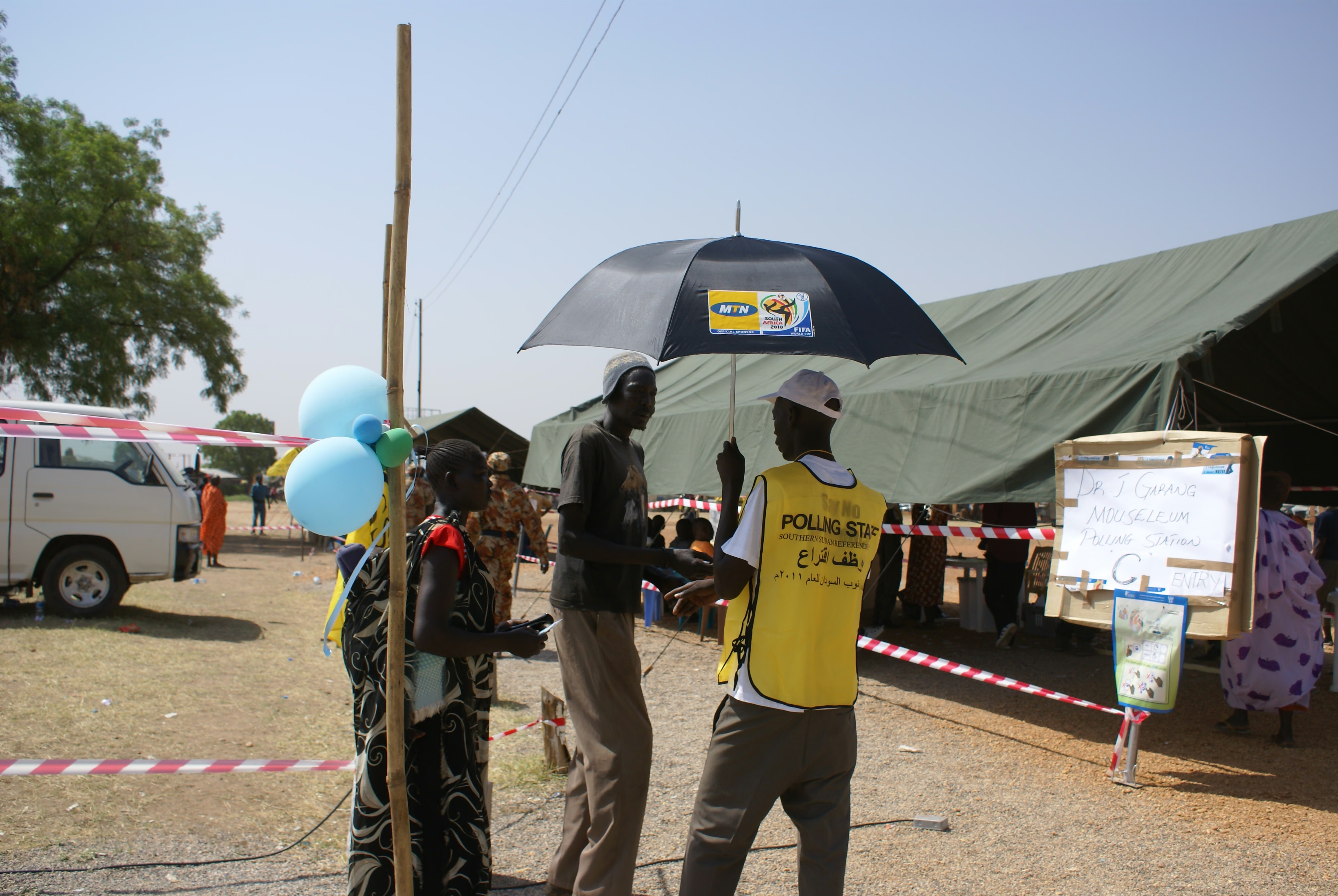

South Sudan's independence is often remembered as a clean historical sentence: after decades of war, the south voted to leave Sudan and became the world's newest country in 2011. The truth is harder. The split ended one constitutional argument, but it did not end the systems of violence, oil dependence, border dispute, and political mistrust that made separation feel necessary in the first place.
The roots reach into colonial rule. Sudan was governed under an Anglo-Egyptian framework that treated the country unevenly, and British policy long administered the largely Muslim, Arabic-speaking north differently from the more religiously and ethnically diverse south. That separation hardened political distance. When nationalist politics grew in the north, the south often feared that independence from empire would become domination by Khartoum.
After Sudan's independence, those fears became civil war. The first Sudanese civil war began before independence was fully settled and lasted until 1972. A second, even more devastating war erupted in 1983 and continued for more than two decades. It was fought over autonomy, religion, identity, resources, and power. It also became a war over whether Sudan could exist as one state without forcing the south into a political order it rejected.
The 2005 Comprehensive Peace Agreement was the turning point. Signed by the Government of Sudan and the Sudan People's Liberation Movement on January 9, 2005, it ended more than twenty years of war and established an interim period. The agreement gave southern Sudanese people the right to choose between unity and secession through a referendum. It did not promise harmony. It promised a vote.
That vote came in January 2011. The United Nations Mission in Sudan reported that 98.83 percent of participants voted for independence. On July 9, 2011, South Sudan became independent. The celebration was real. So was the warning. The border was not fully settled. Abyei remained disputed. Oil fields and pipelines did not align neatly with the new political map.
Oil made the split both possible and dangerous. Much of the oil was in the south, while the export infrastructure ran north through Sudan. Britannica notes that after secession, unresolved issues included oil-revenue sharing and border demarcation. By December 2011, Sudan began confiscating South Sudanese oil over alleged unpaid transit fees. In January 2012, after talks failed, South Sudan shut down oil production, damaging both economies and especially hurting a new state that relied on oil for almost its entire budget.
The split also left people caught between maps. Communities along the border did not always fit the new line. Abyei became a symbol of the unresolved promise of self-determination. The question was no longer only whether the south should be independent. It was whether independence could survive the economic and security systems inherited from unity.
South Sudan then faced its own internal crisis. Independence did not automatically produce accountable institutions, broad national identity, or a politics capable of managing elite rivalry. The tragedy is that a liberation struggle can win a flag before it wins a state. The promise of 2011 collided with armed factionalism, displacement, corruption, and the difficulty of building institutions after generations of war.
Sudan's own later collapse reinforces the point. The old center that the south left did not become stable after separation. The region remained locked in overlapping crises of army power, militia power, resource competition, and weak civilian authority. Partition changed the framework, but it did not cure the deeper disease: states built through coercion and extraction struggle to become homes for their people.
The story of Sudan and South Sudan is therefore not a simple argument for or against partition. It is a warning about unfinished peace. A referendum can answer the question of sovereignty. It cannot by itself settle borders, share oil, rebuild trust, demilitarize politics, or create institutions. South Sudan's independence mattered because people voted overwhelmingly to govern themselves. Its pain endures because the world treated the vote as the end of the story when it was only the beginning.